


Cascadia Snow Peas
We have run out of stock for this item.
Ces semences sont disponibles


About Cascadia snow peas
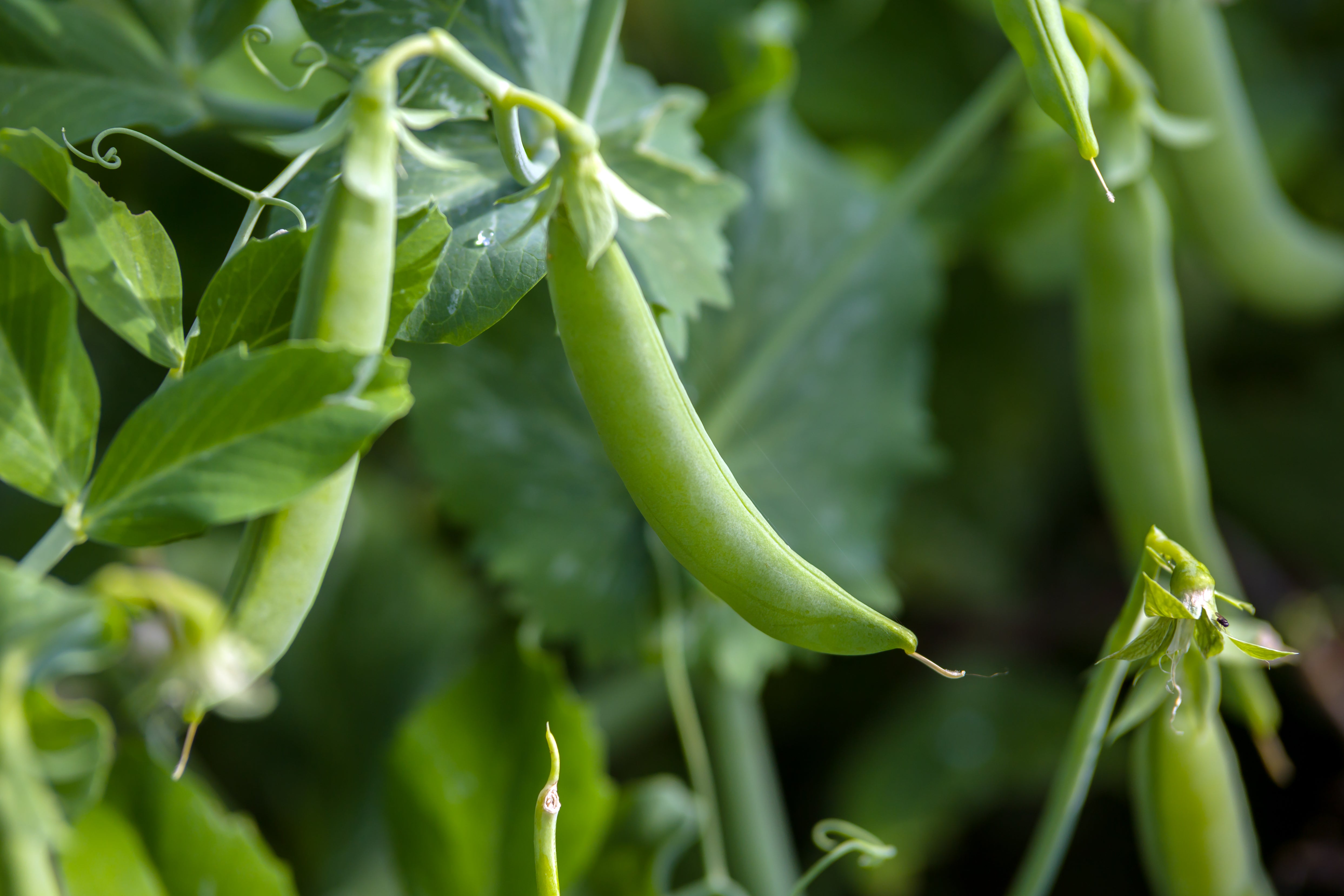
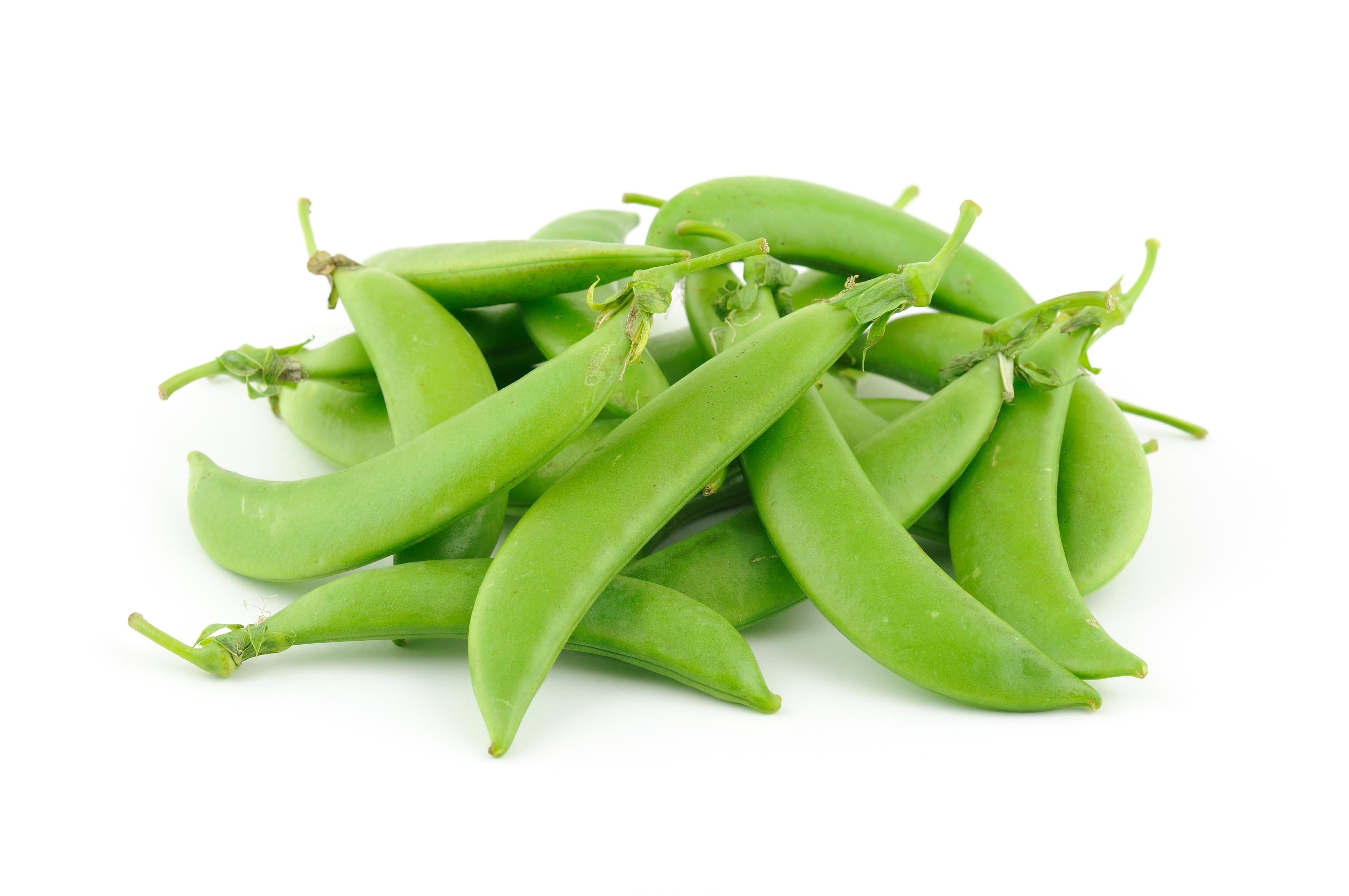
Cascadia snow peas are eaten fresh in the pod, once the peas have swollen. Kids love them! 8 cm pods. Dwarf plant.
Growing tips for Cascadia snow peas
Our cascadia snow peas seeds are certified organic.
We use natural, eco-friendly methods to grow our plants, without pesticides, herbicides, or chemical fertilizers. By choosing our organic cascadia snow peas seeds, you support a responsible, nature-friendly approach.
Learn more:
Pea Care Tips
“It is recommended to earth up the peas 3 weeks after they have emerged. It is also suggested to support the plants
dwarfs with metal wires placed at 20 cm and 50 cm height on each side of the rows. We can
help the first tendrils to cling to the wires or trellis for climbing cultivars. We control
weeds by hoeing or by applying a plant mulch.
Yves Gagnon
Pea growing conditions
Pea plants are productive when the weather is cool and the days are at their longest. A sunny location and good air circulation are essential. They appreciate cool, well-drained soil.
drained. They tolerate drought well during their vegetative development, but they need constant moisture during fruiting. Pea plants are not affected by frost, but cold soil hinders seed germination. Pre-germinating seeds is beneficial in northern regions. Peas have low nutrient requirements; this is why they are often grown at the end of rotation, without fertilizer. Horticultural literature recommends inoculating pea seeds. This is done with the bacterium Rhizobium leguminosarum var. viceæ , present in commercial garden inoculants. A pH between 6 and 7 is well suited to growing peas.
Pea Crop Rotation
Peas are grown at the end of the rotation, after demanding crops.
Pea Companionship
Care must be taken not to overshadow the pea's companion plants. By properly planning the separation distances, several frugal plants can be planted with the pea, including rutabaga, carrot, parsnip, potato, beetroot, and radish. Onions, garlic, shallots, and leeks hinder its growth, so avoid planting these plants with it.
— These valuable tips were written by Yves Gagnon, in the book The ecological cultivation of vegetable plants , Colloidal Editions.
