


About small Charlevoix gourgane
Little Gourgane from Charlevoix
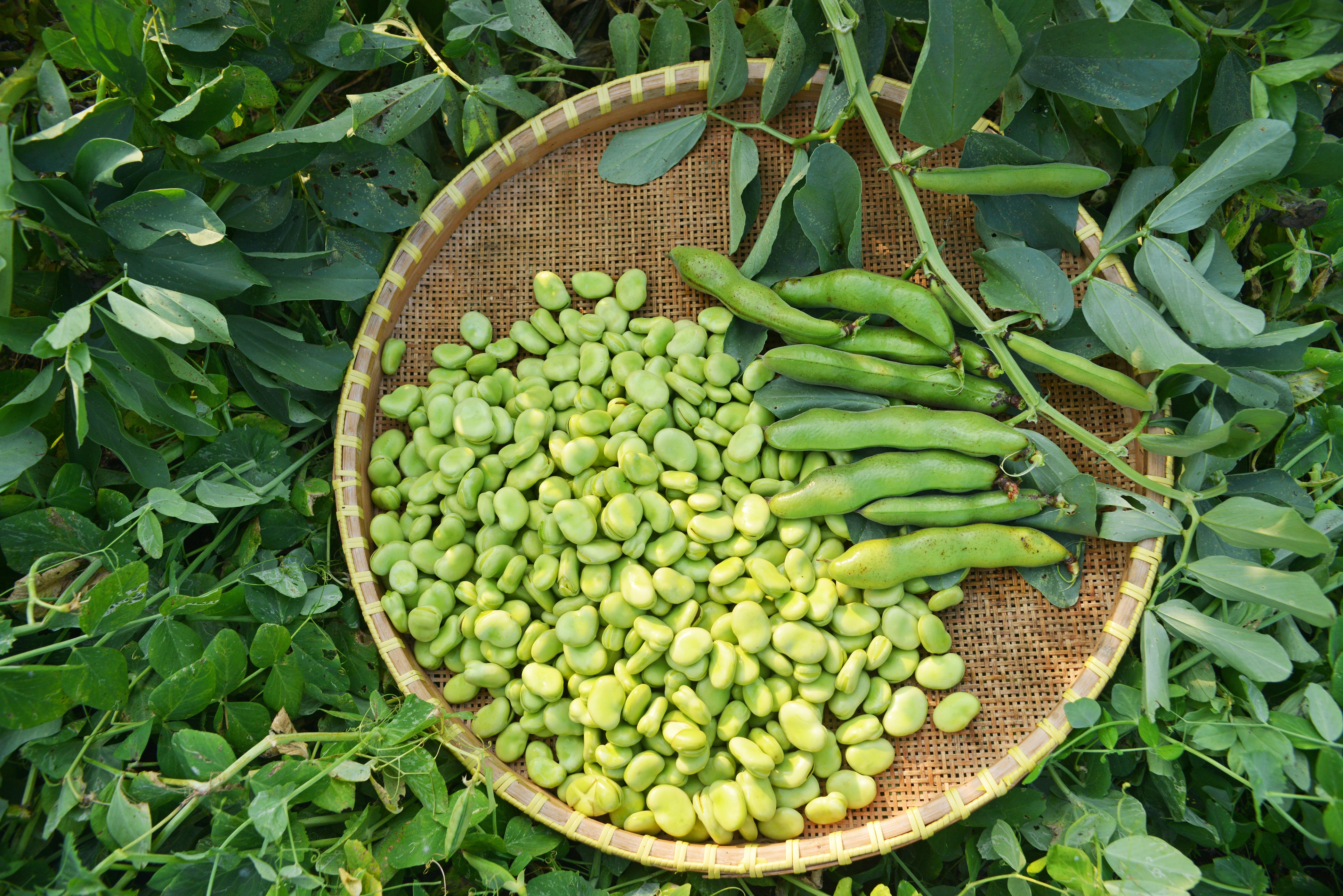
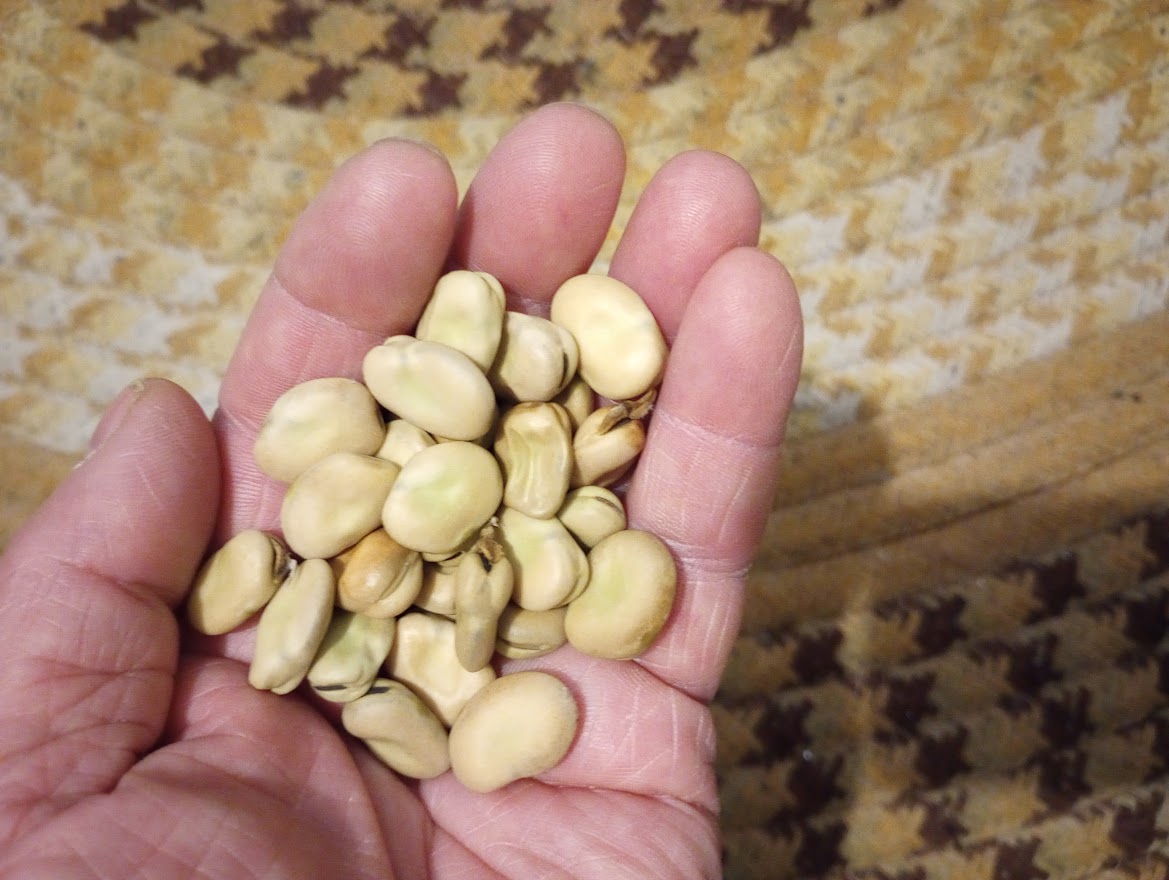
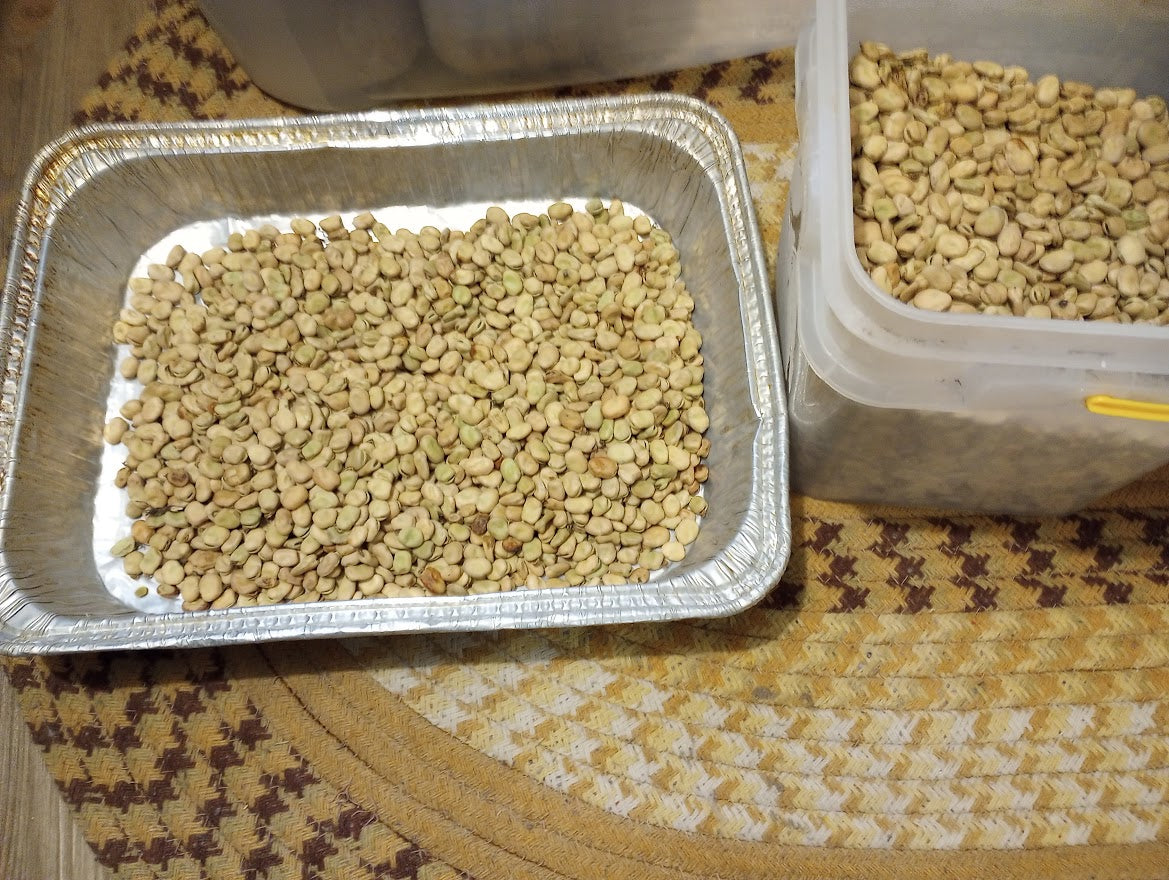
Small, tender green bean, tasty, productive, and disease-free. Produced in Lac Saint-Jean. A fresh plant that is sown as soon as the ground thaws. Plant height: 1 m.
Growing tips for the small Charlevoix gourgane
Gardening articles related to the small Charlevoix gourgane
Yves Gagnon
Growing conditions for broad beans
Unlike the common bean, broad bean tolerates temperatures as low as -3°C. The plants thrive in the growing photoperiod, where spring is long and cool. Sudden temperature changes, particularly high temperatures, are detrimental to its fruit set. In Quebec, it is mainly grown in Lac Saint-Jean, Saguenay, and Charlevoix, where temperature conditions are favorable. The proximity of a large body of water moderates the climate, which is beneficial to it. Broad bean prefers cool, deep, humus-rich soils. It needs full sunlight. It tolerates dry conditions well. As with other legumes, it does not require fertilizer. It is not necessary to inoculate the beans, as the Rhizobium associated with them is normally present naturally in untreated soils. When in doubt, inoculate the seeds with the strain Rhizobium leguminosarum var. viceæ , as for peas. The optimal pH for growing broad beans is between 6 and 7.
Crop rotation of broad bean
The broad bean is grown at the end of the rotation after demanding crops.
Companionship of the gourgane
Onions, shallots, garlic, or leeks should not be grown with broad bean, as they will hinder its growth. However, it can be grown with potatoes, rutabagas, beets, carrots, lettuce, or spinach. Savory is said to repel aphids.
— These valuable tips were written by Yves Gagnon, in the book The ecological cultivation of vegetable plants , Colloidal Editions.
