



SEMENCES
Harris Model Parsnip
We have run out of stock for this item.
Ces semences sont disponibles


About Harris Model parsnip
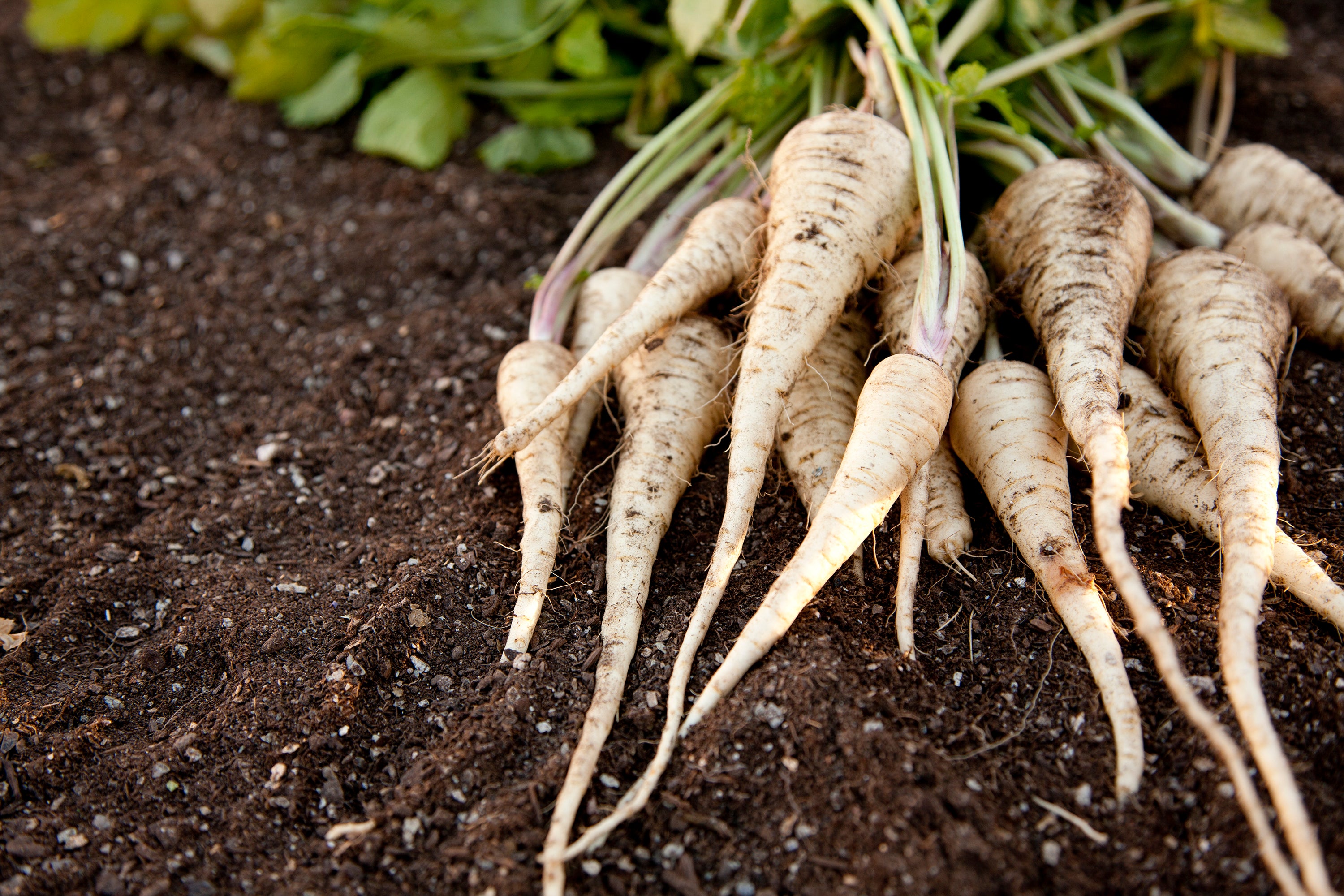
The Harris Model parsnip produces a long, white, sweet, and fragrant root.
Growing tips for Harris Model parsnip
Yves Gagnon
Growing conditions for parsnips
Parsnips like cool temperatures. They require full sunlight. As their root is
long, the soil must be loosened deeply. Cultivation on beds or ridges is recommended for this apiaceae. Parsnips appreciate deep, moist, fresh soil rich in humus. Parsnips are more demanding than carrots, so the soil can be amended with 500 kg of mature compost per 100 m2. The optimal pH for its cultivation is between 6 and 7.
Crop rotation
Parsnips are grown at the end of the rotation, after growing demanding plants. However, they can also be grown in
association with plants requiring mature compost.
Parsnip Companionship
Parsnips can be combined with radishes, which can occupy the space between the rows without competing with them.
Parsnips go well with all frugal species such as carrots, beets, rutabagas, cabbages,
turnip, bean and pea.
— These valuable tips were written by Yves Gagnon, in the book The ecological cultivation of vegetable plants , Colloidal Editions.
