


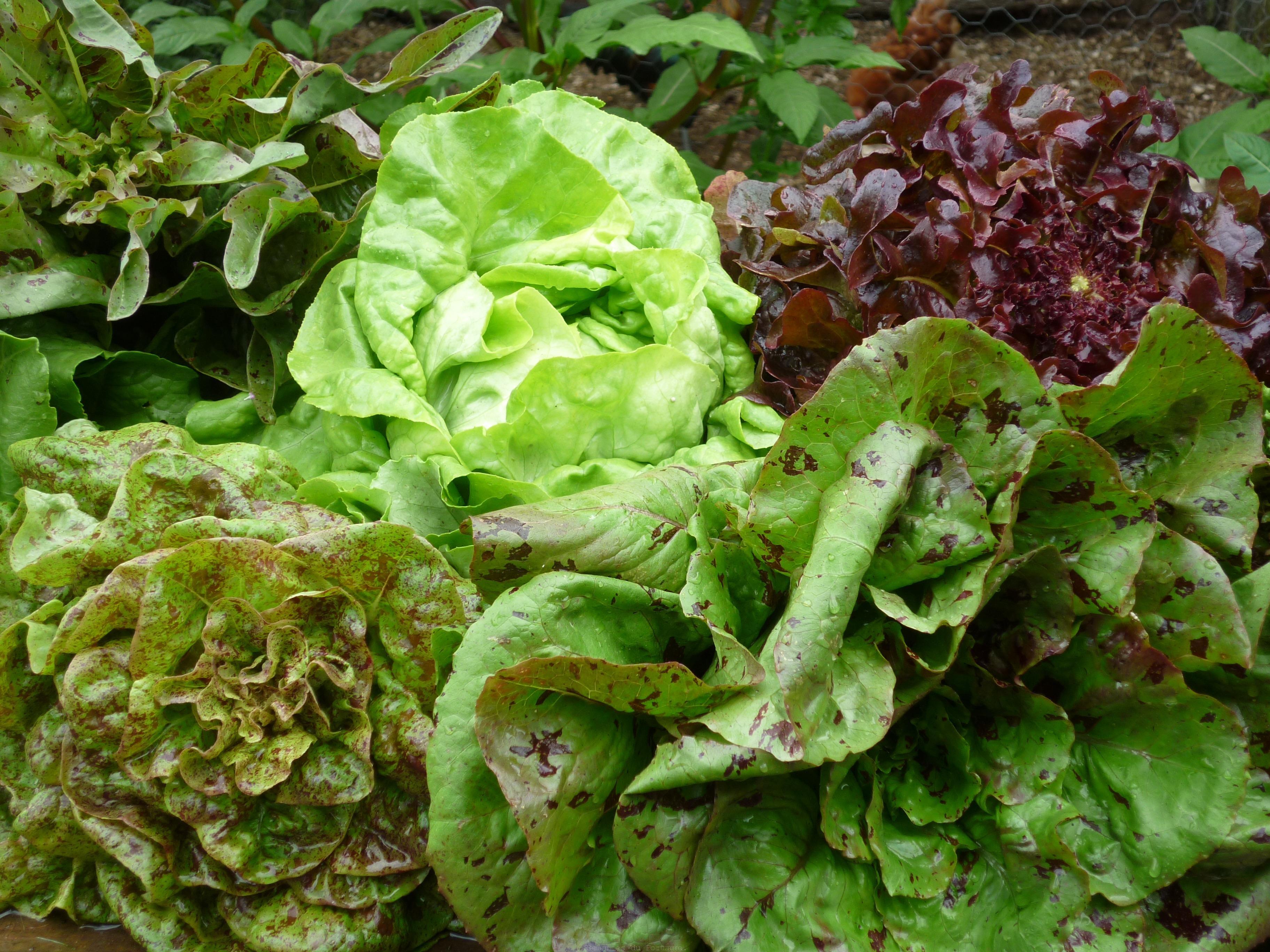

About mixed salad leaves
Our mixed lettuce is ideal for small gardens. Our selection includes a mix of various lettuces in attractive shapes and colors.
Growing tips for mixed lettuce
Our mixed lettuce seeds are certified organic.
We use natural, eco-friendly methods to grow our plants, without pesticides, herbicides, or chemical fertilizers. By choosing our organic mixed lettuce seeds, you support a responsible, nature-friendly approach.
Learn more:
Yves Gagnon
Growing conditions for lettuce
All lettuces produce well in cool spring and fall conditions. Because they tolerate frost well when young, they can be transplanted early in the season. For a summer harvest, choose ice, romaine, or oak leaf lettuce, which are better suited to heat. Lettuce requires high levels of organic matter and consistent moisture. The soil should be loose and deep. Amend the soil with mature compost at a rate of 500 kg to 1 t/100 m2. The recommended pH for growing lettuce is between 6 and 7.
Lettuce Crop Rotation
Lettuce is grown in the second year of rotation after a crop that has received a generous supply of young compost.
Companion planting of lettuce
Lettuce works well with brassicas. It can be grown in companion planting with winter cabbages, for example, transplanting the lettuce in early May and the cabbage plants in early June. This way, the two crops will overlap for a while. Once the lettuce is harvested, the cabbages will have plenty of room to complete their growth. The same technique can be used with broccoli, cauliflower, and Brussels sprouts. Lettuce can also be grown with all other leafy vegetables. Early in the season, it can be grown between rows of asparagus.
— These valuable tips were written by Yves Gagnon, in the book The ecological cultivation of vegetable plants , Colloidal Editions.
