


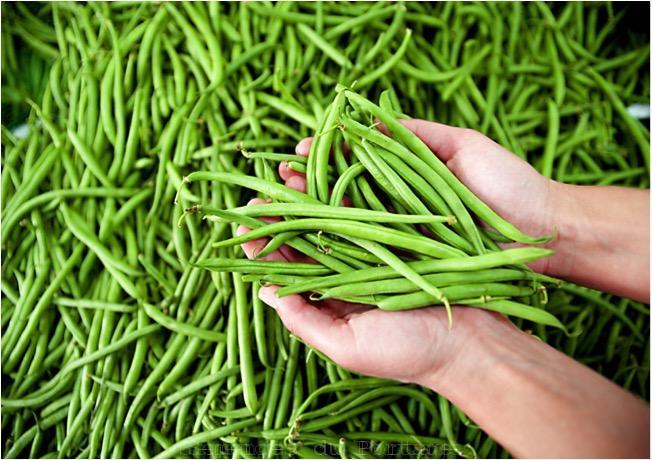
About Maxibel extra-fine green beans
Maxibel extra-fine green beans produce a fine, delicate bean that is both tasty and productive. Easy to grow. Beans are 15-20 cm long. Dwarf plant. Plant height: 60-90 cm.
Growing tips for Maxibel extra-fine green beans
Gardening articles related to Maxibel extra-fine green beans
Our maxibel extra-fine green beans seeds are certified organic.
We use natural, eco-friendly methods to grow our plants, without pesticides, herbicides, or chemical fertilizers. By choosing our organic maxibel extra-fine green beans seeds, you support a responsible, nature-friendly approach.
Learn more:
Extra fine green beans
The extra-fine green bean, popular in France, is increasingly sought after in America by food lovers, and with good reason, because its flavor and texture are incomparable.
Yves Gagnon
Bean growing conditions
Beans are a light and heat-loving species; they should be grown in full sun in a well-ventilated area. They are sensitive to frost. They are usually grown without any compost. It is recommended to inoculate the seeds with the bacterium Rhizobium leguminosarum var. phaseoli , which is available in powder form from many seed companies. The ideal pH for growing them is between 6 and 7.
Bean Crop Rotation
Beans are grown at the end of the rotation, after demanding crops.
Companion planting of beans
Bush beans work well with potatoes, keeping the Colorado potato beetle away. They can also be grown alongside carrots, beets, parsnips, peas, and rutabagas. Corn is a good companion for climbing beans. The soil should be amended with mature compost to meet the corn's needs and not harm the bean's quality. Both species should be sown at the same time. The presence of onions, garlic, and leeks is detrimental to the growth of beans. Therefore, care should be taken not to grow these lilies near beans.
— These valuable tips were written by Yves Gagnon, in the book The ecological cultivation of vegetable plants , Colloidal Editions.
