


About curly chicory Frisse
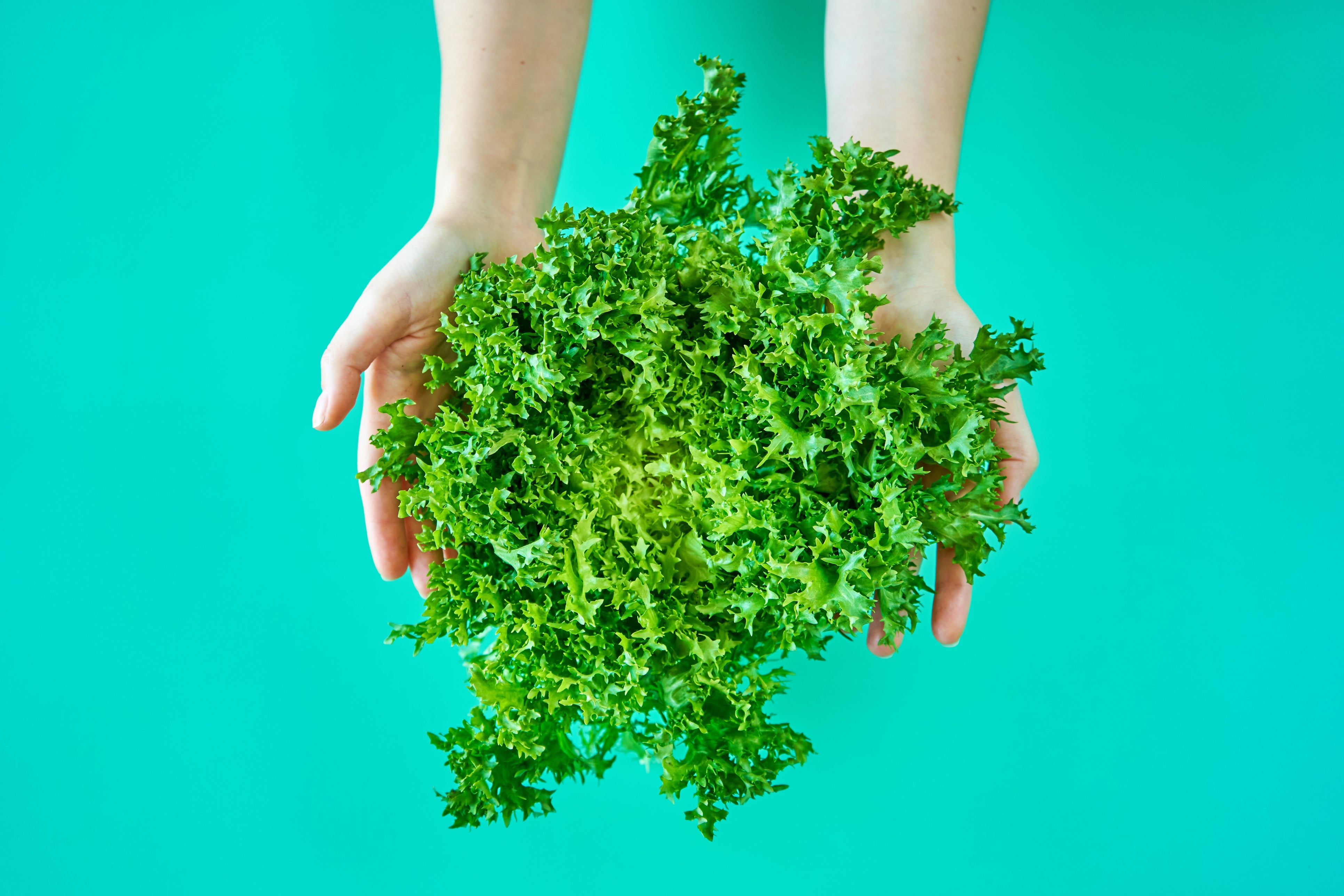
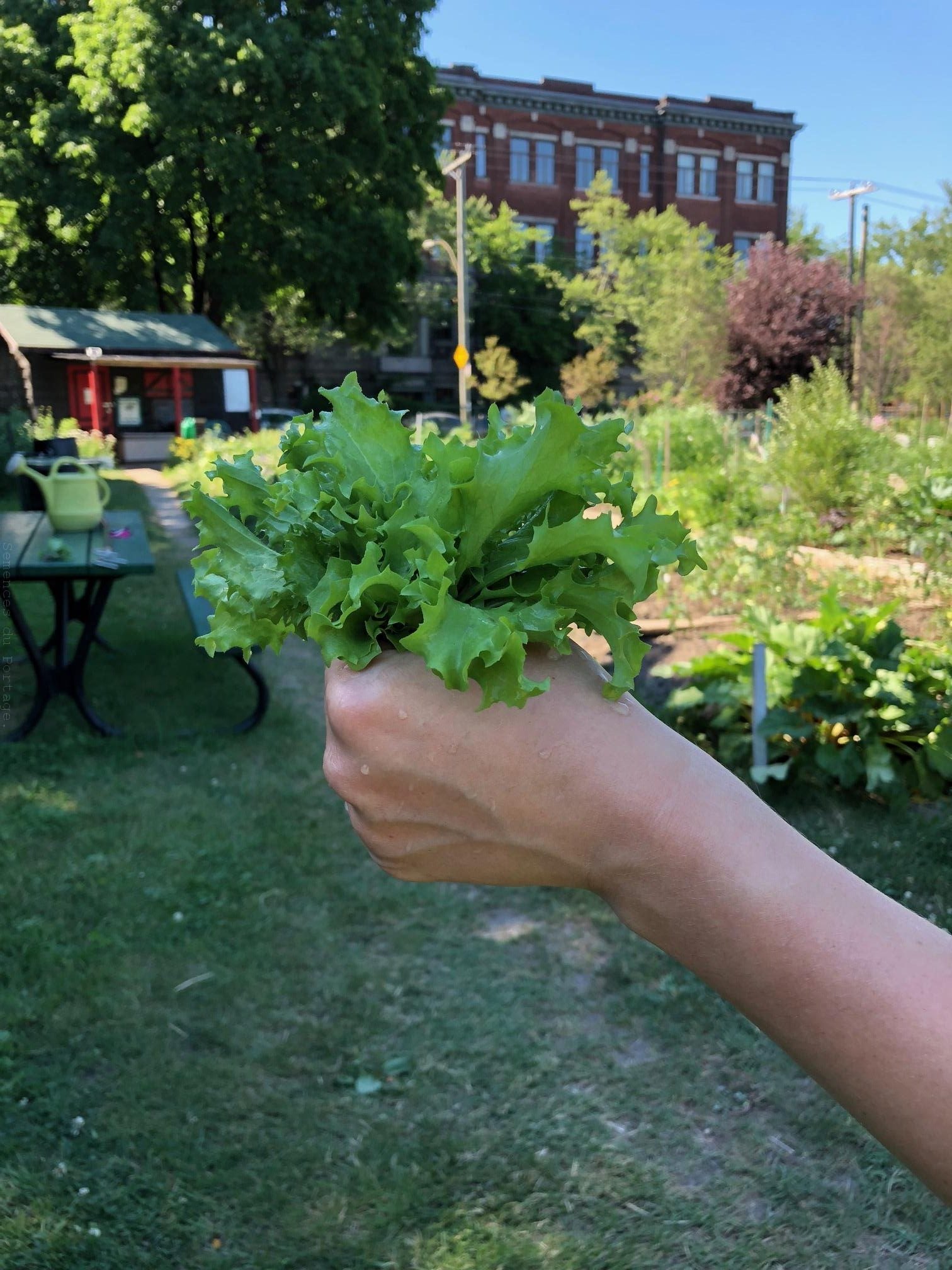
Frisse curly endive is excellent for mesclun salads. Spring and fall crop. Easy to grow. Harvest young for a delicate taste.
Growing tips for curly chicory Frisse
Our curly chicory frisse seeds are certified organic.
We use natural, eco-friendly methods to grow our plants, without pesticides, herbicides, or chemical fertilizers. By choosing our organic curly chicory frisse seeds, you support a responsible, nature-friendly approach.
Learn more:
The species Cichorium endivia
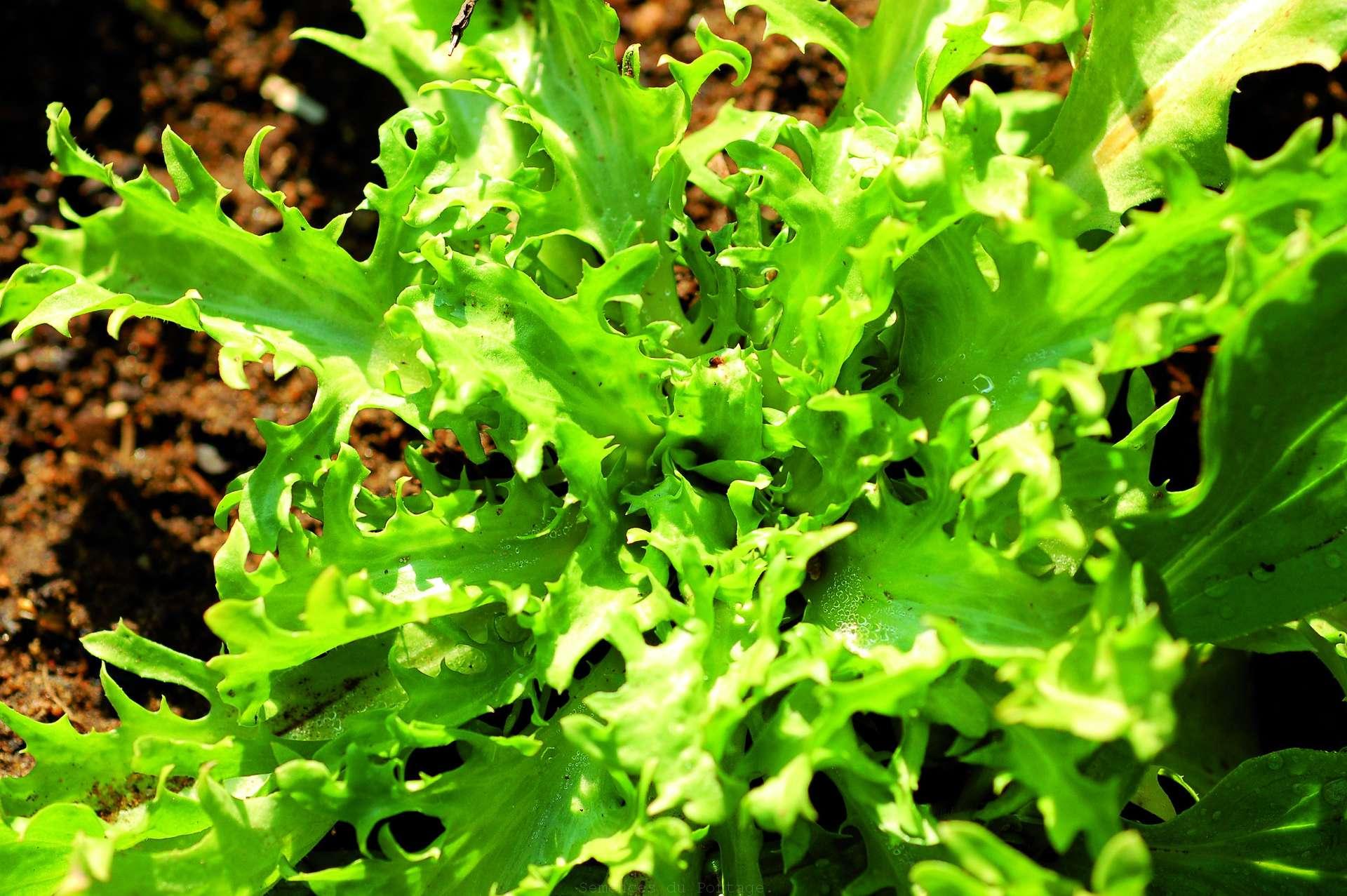
Curly chicory is characterized by narrow, strongly serrated, yellowish foliage in the heart of the
Apple-shaped and dark green on the outside. Crisp and delicate, it enhances the flavor and appearance of salads. It is grown in spring to be harvested young in small rosettes of 10 to 12 leaves. It is sown in summer for a fall harvest. Its flavor improves with frost. It takes 80 to 100 days to mature.
Yves Gagnon
Chicory growing conditions
All chicories require well-drained soil, rich in organic matter, amended with mature compost at a rate of 500 kg to 1 t per 100 m2. For root cultivars, the soil must be loosened deeply. Constant moisture is essential for the quality of the vegetable. High heat and drought significantly increase their intybin content, which is responsible for bitterness. Chicory is frost-resistant. A pH between 6 and 7 is recommended for its cultivation.
Chicory crop rotation
Chicory is normally grown in the second year of rotation after a crop requiring young compost.
Chicory companionship
Chicory combines well with brassicas, beets, leeks, lettuce, and other leafy vegetables. It can be grown in spring between rows of asparagus.
— These valuable tips were written by Yves Gagnon, in the book The ecological cultivation of vegetable plants , Colloidal Editions.
