


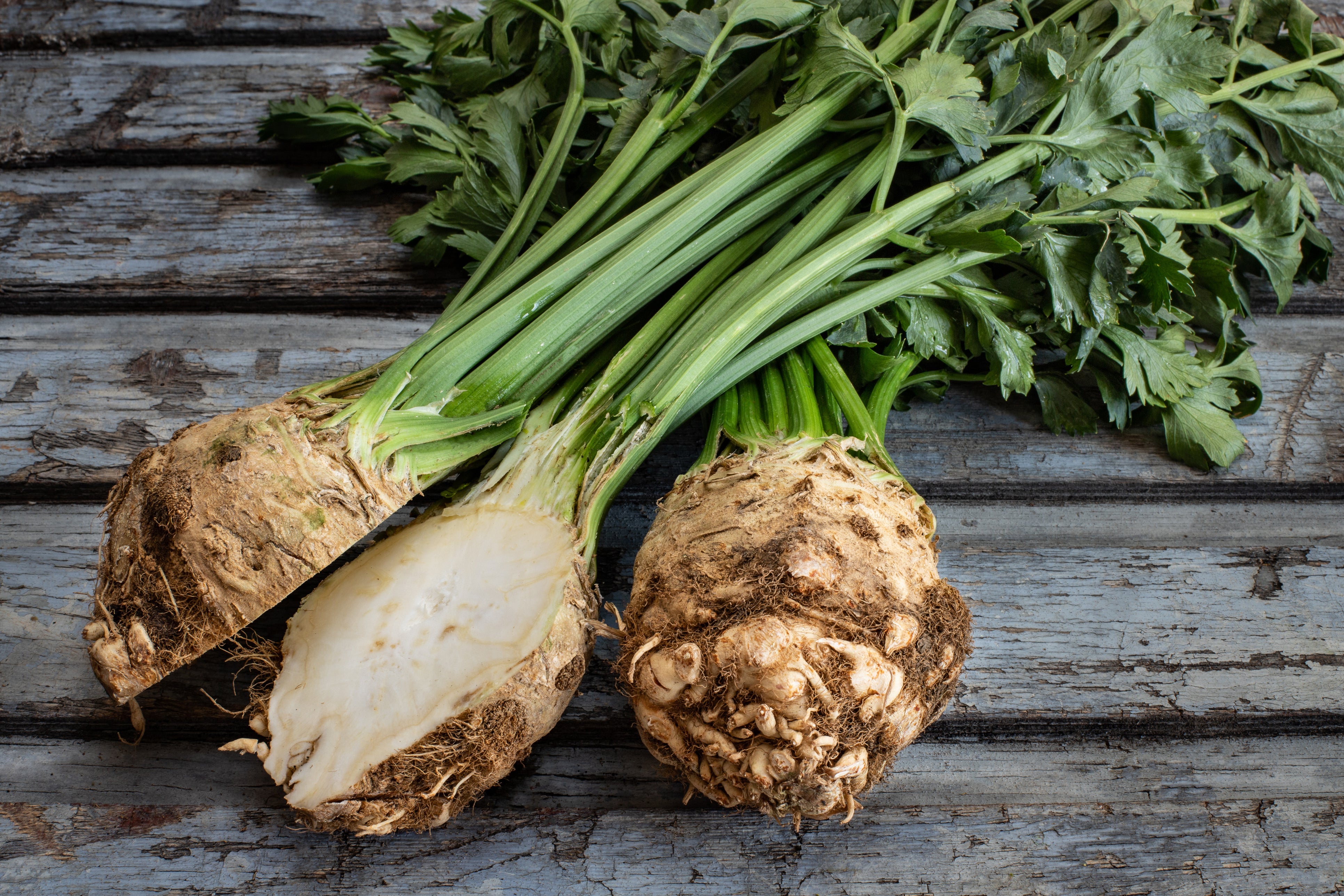
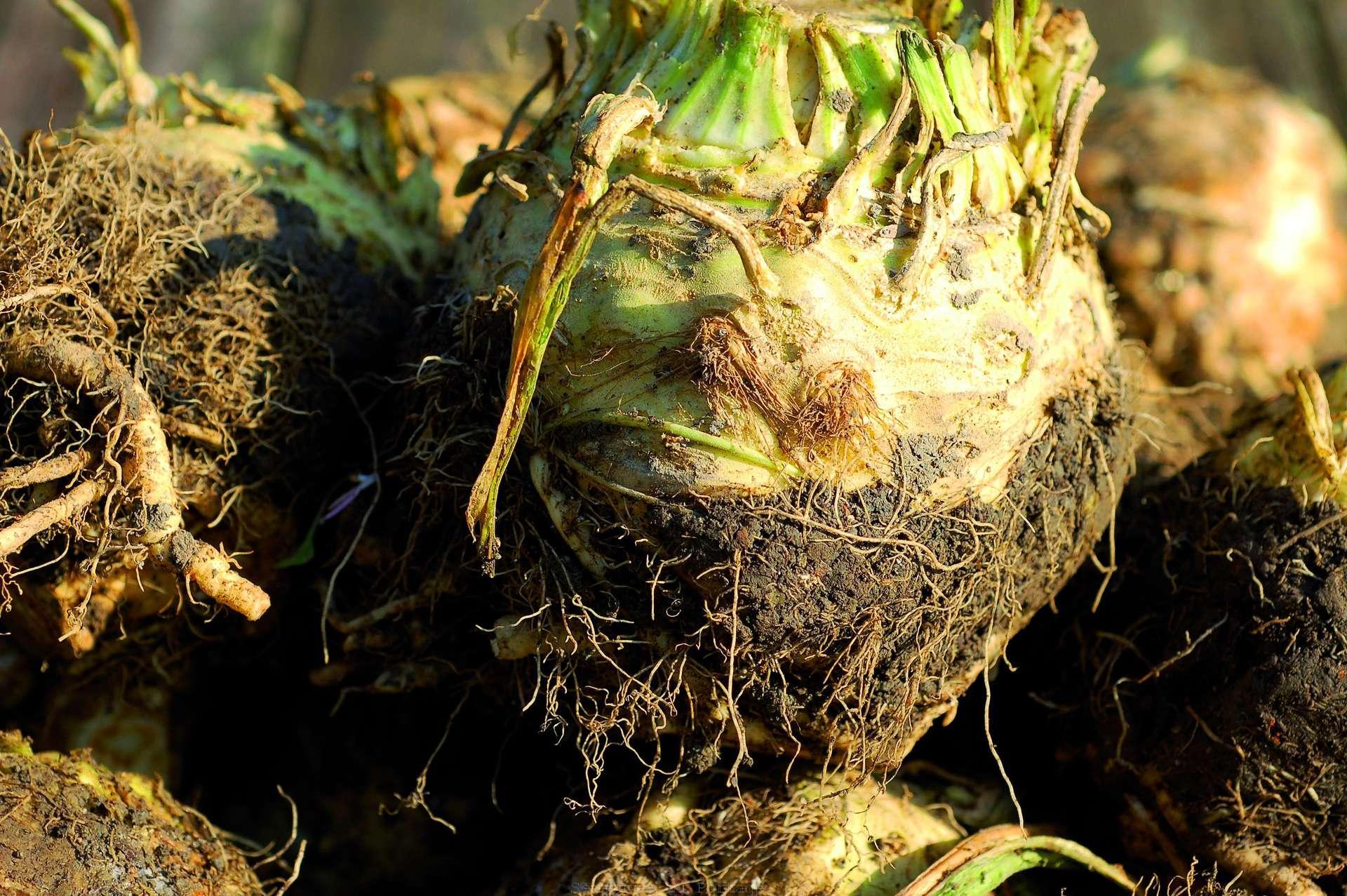
Diamond Celeriac
We have run out of stock for this item.
Ces semences sont disponibles


About Diamond celeriac
Diamond Celeriac
A storable root vegetable used to make remoulade and delicious fries. For best results, plant in rich soil and water regularly. Slow germination.
Growing tips for Diamond celeriac
Gardening articles related to Diamond celeriac
Our diamond celeriac seeds are certified organic.
We use natural, eco-friendly methods to grow our plants, without pesticides, herbicides, or chemical fertilizers. By choosing our organic diamond celeriac seeds, you support a responsible, nature-friendly approach.
Learn more:
Yves Gagnon
Celeriac growing conditions
A voracious plant, celeriac requires full sunlight and fresh, consistently moist soil rich in organic matter. Since it reacts poorly to climatic irregularities, it is only transplanted once the risk of frost has passed. The soil is prepared as for stalk celery. It is grown at a pH between 5.5 and 7.5.
Celeriac Crop Rotation
Celeriac is normally grown in the second year of rotation, with other leafy vegetables, after growing plants that require young compost.
Celeriac companionship
Because of its unique requirements, celeriac pairs well with celery and bulb fennel. It grows well alongside brassicas, leeks, spinach, and other leafy vegetables.
Celeriac Care
Because of its riverine ancestors, which originated in salt marshes, moisture is crucial for celeriac yield. As soon as the soil dries out, it must be moistened thoroughly. Mulch can also be used to regulate moisture levels. If mulch is not used, however, hoeing must be carried out every 10 days to control competition.
— These valuable tips were written by Yves Gagnon, in the book The ecological cultivation of vegetable plants , Colloidal Editions.
