Previous Continue shopping
Your Order

You have no items in your cart

You might also like:
Jour de la Terre! Jour de la terre?

Earth Day! Earth Day?

It's amazing how much I could write about our planet on this Earth Day. I could talk about biodiversity, climate change, plastic pollution, social injustice, and eco-responsibility, but instead I chose to write about a subject that fascinates me: the earth in which we produce our food, a living material that we should cherish, protect, and nourish, because it is in quality soil that the food necessary for our health and vitality grows.

Arable land, the land with potential for cultivation, accounts for only 9% of the planet's land area, a total of 1.4 million hectares. However, this arable land, from which we draw our livelihoods, is shrinking due to urbanization, erosion, and desertification. Worse still, it is increasingly contaminated by the growing use of synthetic fertilizers and pesticides.

I am amazed to see the extent to which industrial agriculture ignores the life of the soil, which is increasingly considered as a vulgar support for genetically modified plants, artificially nourished and protected.

Yet the earth responds admirably to constructive collaboration with the gardener or farmer who is aware of the life of the soil and the benefits it can bring him in terms of quality and quantity.

Natural processes of plant nutrition

First of all, it is important to understand that healthy soil is home to intense biological activity. More than 1 billion microorganisms per gram of soil have been counted: hundreds of thousands of protozoa and nematodes, tens of millions of fungi and actinomycetes, and billions of bacteria.

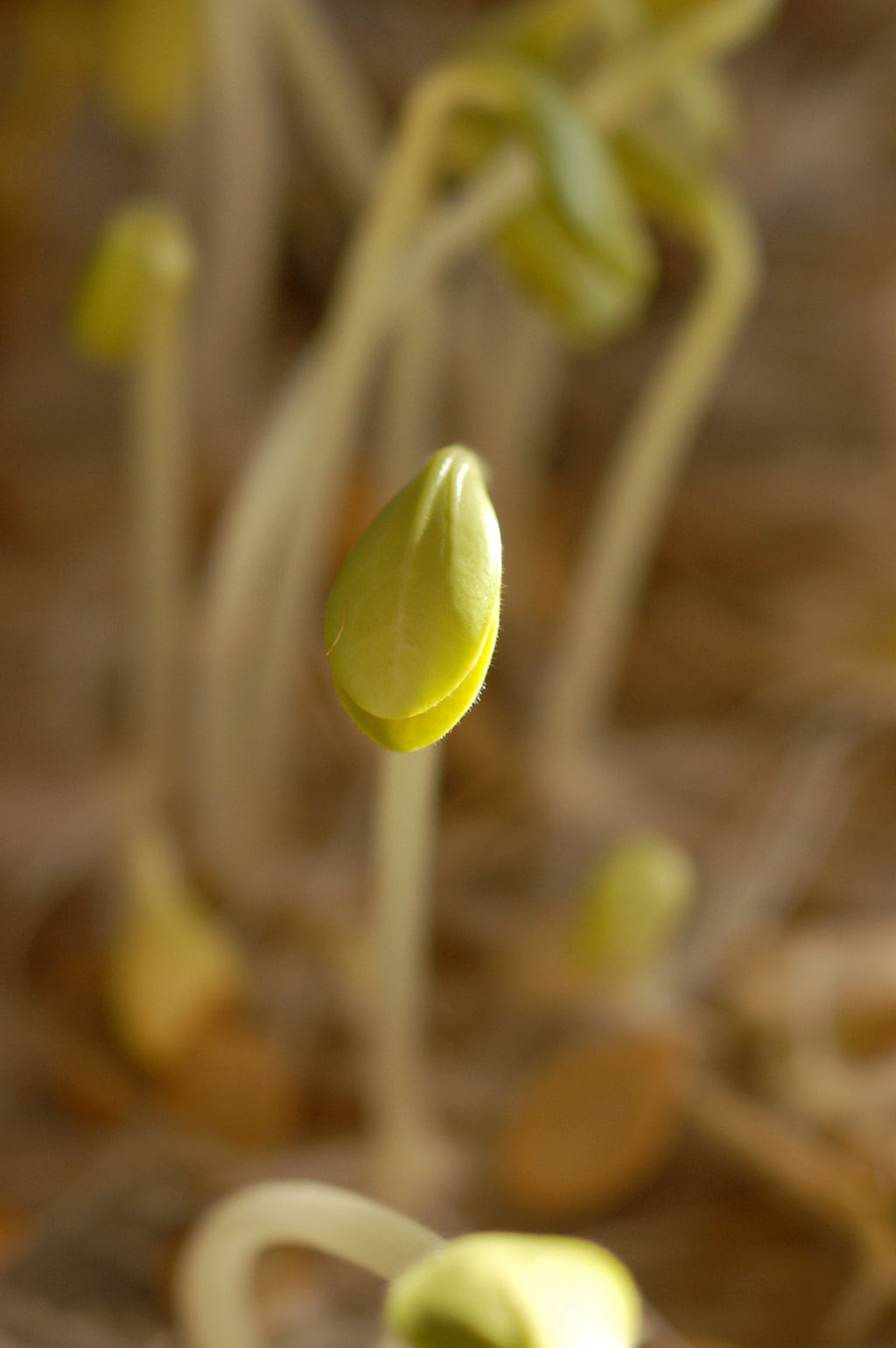
At the time of sowing, the seed comes to life when it comes into contact with moisture and heat. It swells, and then the radicle appears. Various substances are then secreted by the germinating seed. Some attract beneficial microorganisms, while others repel pests. Already at this stage, the plant encourages the presence of microbial strains in its root system that will be useful to it.

A few days later, a stalk emerges from the soil, at the end of which the cotyledons unfold. This is when a vital function of the plant begins: photosynthesis. Thanks to the chlorophyll present in its foliage, the plant captures and uses solar energy to transform carbon dioxide (CO2) from the air into glucose, which becomes the plant's sap. From the foliage, this simple sugar begins its descent towards the roots through a canal called the phloem. The plant will then secrete carbonaceous substances through its roots, which will attract a multitude of living organisms, mainly bacteria, which will draw their sustenance from them. The area where they are concentrated forms a microbial sleeve around the roots called the rhizosphere.

In exchange for the carbohydrates supplied by the plant, the bacteria will prepare for the plant the various mineral elements it needs to grow. Through enzymatic action, they solubilize the nutrients present in the organic and mineral reserves of the soil and make them available to the plant in the form of assimilable mineral ions, at a rate that corresponds to its needs, and this, at the different stages of its growth. The ions are absorbed by the root hairs, then fuse with glucose. The sap rises towards the aerial organs to form new cells. This is how plants develop.

Many benefits

The primary benefit of this close association between plants and bacteria lies in the quality of the nutrition provided to the plants. If the bacteria find in the soil all the nutrients necessary for healthy plant growth, its diet will be balanced. This is what gives organic foods their taste and nutritional qualities. It is understood that we do not have to intervene directly in the nutrition of cultivated plants, but rather in the creation of favorable conditions for healthy biological activity, which leads the proponents of organic farming to say that we should not feed the plants, but rather feed the earth.

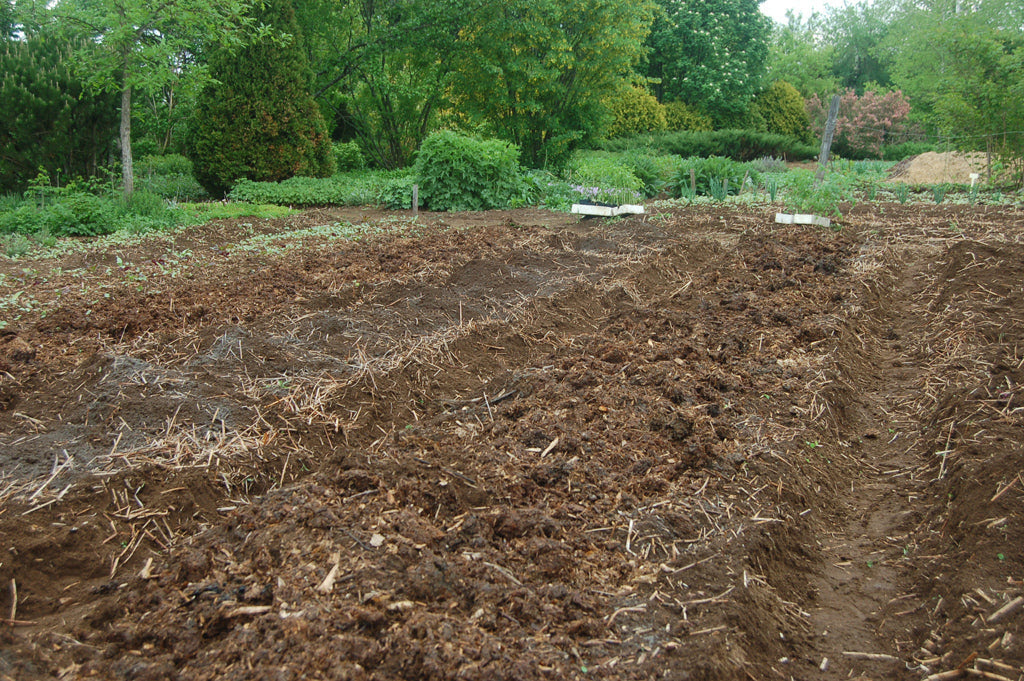
Thus, the gardener and the farmer must ensure that the soil is well supplied with organic matter, that it is well aerated, chemically balanced and that its pH is adequate. These conditions are achieved by very simple interventions: regular inputs of quality organic matter, achieving a mineral balance in the soil by adding non-soluble fertilizers if necessary, correcting the pH if necessary by adding calcium in the form of lime or ash as well as minimal and appropriate soil cultivation.

However, since the end of the Second World War, man has ignored the life of cultivated land and initiated a vicious spiral by introducing nutrients into the soil that are directly assimilated by plants—soluble chemical fertilizers—an approach that is at the origin of a significant part of the contemporary problems encountered in agriculture: chemical imbalance of cultivated plants, increased vulnerability to parasites, increasing application of insecticides and fungicides, insect resistance to insecticides, contamination of soils, groundwater, waterways and the food produced, a reality that proves right Dr. William A. Albretch (1888—1974), who
said while he was chairman of the Department of Soil Science at the University of Missouri: "Spraying poisons is only the desperate gesture of a dying agriculture."

It therefore seems fundamental to me to review our entire way of producing our food, because it has now been proven that the approach proposed by the industry condemns us to the increasing contamination of our environment and our food.

To learn about healthy practices in ecological gardening, I humbly recommend the latest edition of my book The Ecological Garden .

Semences du Portage offers Bionik compost as well as several ranges of natural fertilizers that contribute to soil health and the productivity of your crops.

I wish you a happy Earth Day,

Yves Gagnon

To conclude, I share with you some links to watch reports and documentaries on soil life.

https://ici.radio-canada.ca/ tele/la-semaine-verte/site/ segments/reportage/382170/ sante-sols-agroecologie-vie- microbes-terres

https://www.youtube.com/watch?v=zLGUKYdUIvk

Documentary The Symphony of Soils .

Part 1: http://ici.radio-canada.ca/ tele/la-semaine-verte/2014- 2015/episodes/351092/ symphonie-sols-un

Part 2: http://ici.radio-canada.ca/ tele/la-semaine-verte/2014- 2015/episodes/351098/ symphonie-sols-deux

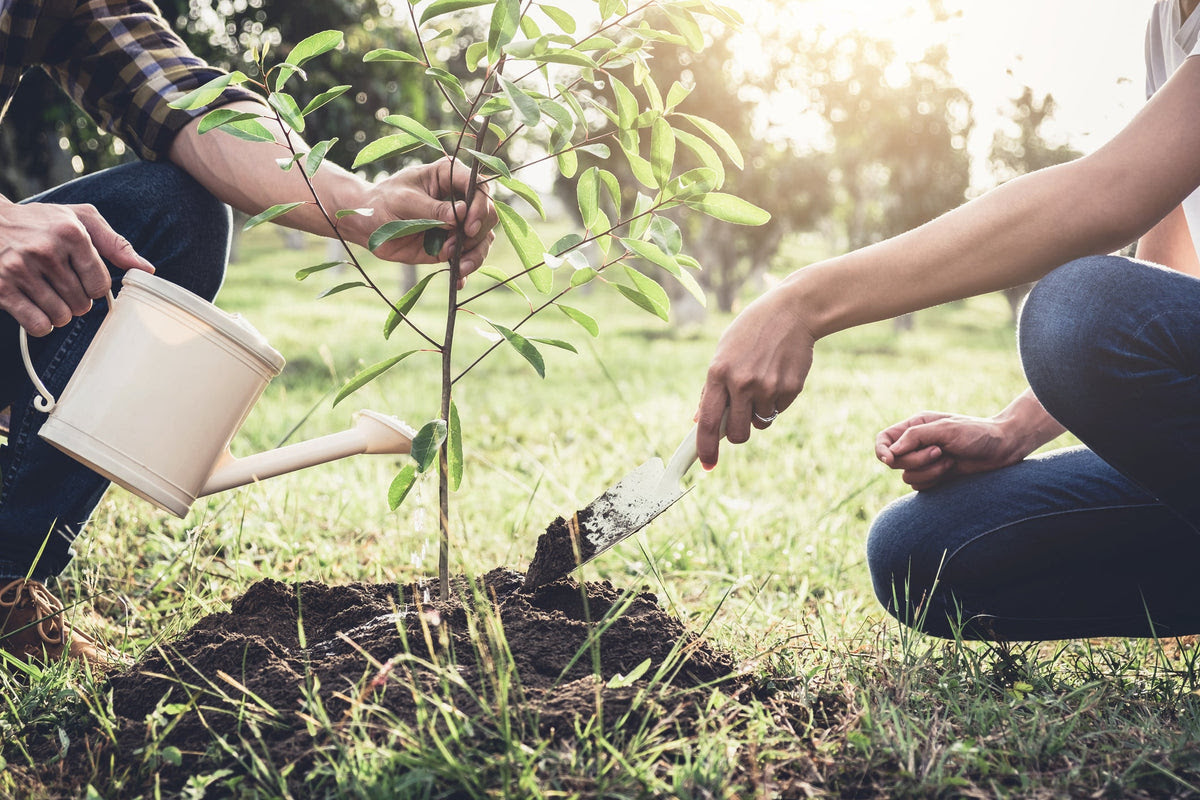
Plant a tree for Earth Day with Tree Evolution
Tree - Let's plant a tree for Earth Day with Arbre-Évolution

Tree - Let's plant a tree for Earth Day with Arbre-Évolution

$12.00

Your tree purchase will add to our contribution. This year, the trees will be planted in Montreal to create a micro-forest in the Rosemont borough!

Tree-Evolution
Semences du Portage is committed to the fight against air pollution and climate change by subscribing to the Arbre-Évolution social reforestation program . Join the movement with us!

For your information, a round-trip flight from Montreal to Paris requires 8 trees to offset the GHG emissions.

The planet thanks you!

Order now

Leave a comment

Please note: comments must be approved before they are published.