The naked seed pumpkin
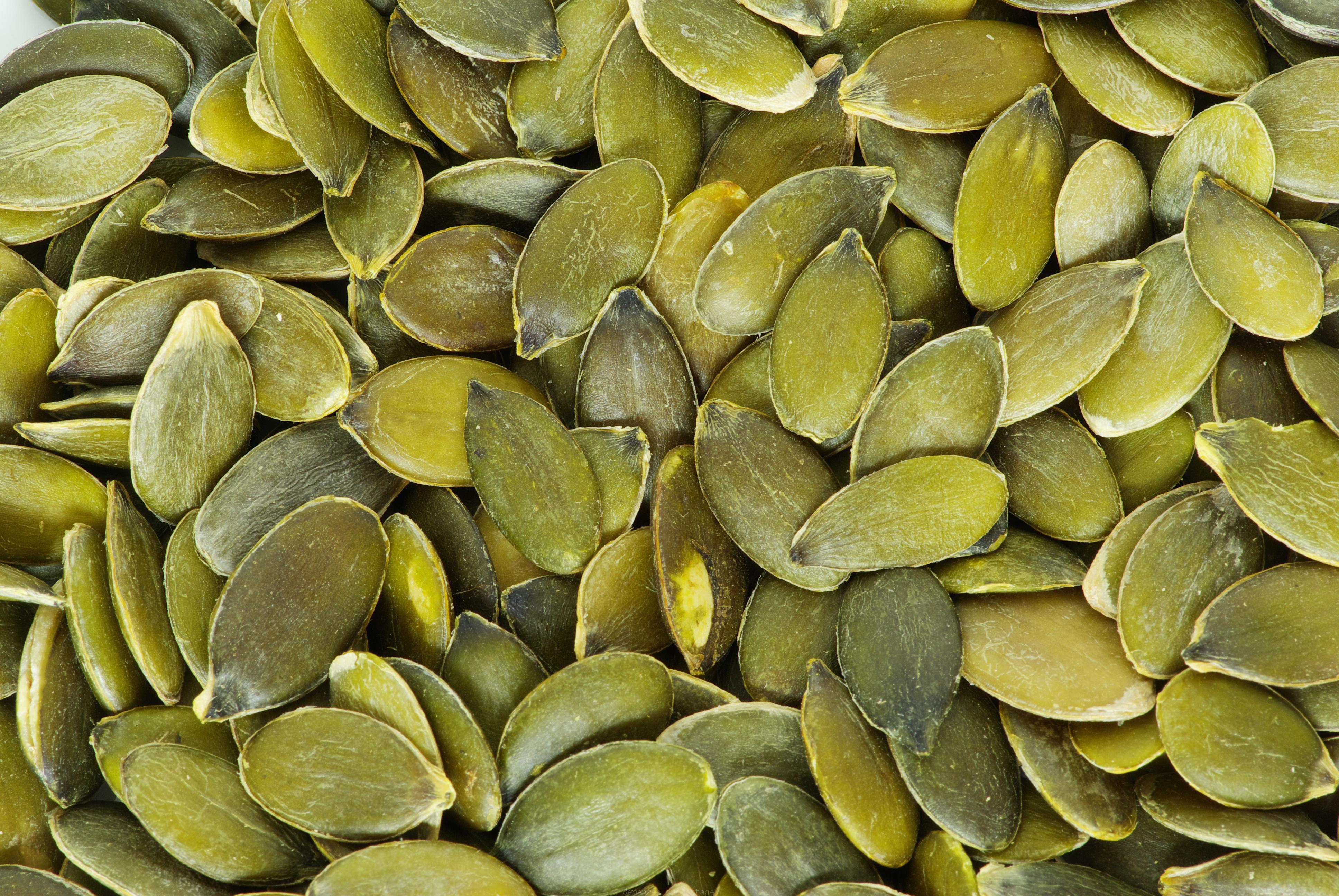
I experimented with growing naked-seeded pumpkins in the early 1980s after reading a fascinating article in the now-defunct Harrowswith magazine. I discovered a cucurbit that produces seeds with the highest protein content in the plant kingdom. Its protein percentage is close to 40%, compared to soybeans at 35% and beef at 27%. Pumpkin seeds also contain 45% unsaturated fat and are high in vitamin A, phosphorus, iron, and zinc. It is this last mineral that gives it beneficial properties for the prostate and the male reproductive system. Two unique characteristics define it: a green color and the absence of the tough outer shell that normally covers pumpkin and squash seeds.
This type of pumpkin was originally grown in Germany, Austria, and the Balkans. It first appeared in America in the 1970s and has since become increasingly popular in gardens and on the table. For the gardener, it is the most productive way to obtain edible seeds without the hassle of shelling. However, the area required for significant production is significant. It is estimated that 100 m2 is needed to harvest approximately 50 kg of seeds. This is therefore not a suitable choice for a balcony box or a small community garden plot. While in the past, evocative cultivars such as Lady Godiva or Streaker were available, today seed companies offer more efficient varieties, including Styrian and Kakai.
 A delicate sowing
Since the seed of naked-seeded pumpkins is not protected by a covering, sowing requires optimal conditions to prevent rotting. I suggest pre-germinating the seeds in a warm, moist cloth. A temperature of 25°C gives the best results. As soon as the sprout appears, you can sow them in a warmed-up position in the garden, i.e., in early June in zone 4. Further north, you should sow them indoors in individual 8cm pots, 4 weeks before the transplanting date.
During the operation, it is important to keep the root ball whole to avoid root disturbance that would hinder the rapid recovery of the plants. It is important to moisten the soil well, compress the root ball with your fingers and support it well when placing it in the planting hole. Pumpkins appreciate light soil, generously amended with compost and well exposed to the sun. The use of agrotextile during the first month of growth protects the young plants from cool night temperatures as well as from the striped cucumber beetle, the main pest of cucurbits.
Harvest and uses
To harvest as many ripe seeds as possible, leave the fruit on the plant as late as possible. If an early frost is forecast, you can protect the plants with a tarpaulin. Once the fruit is well colored, harvest it by trimming the stalk to 5 cm and let it ripen for a few weeks in a dry, well-ventilated place, protected from frost and bad weather. After this ripening period, you can open the fruit. You can open the fruit as needed throughout the winter. Squash and pumpkins can be stored for up to 6 months in a cool place in the house.

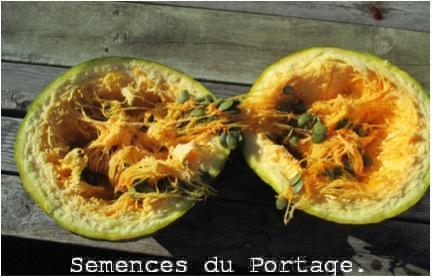
Although the flesh of naked-seeded pumpkins is tougher than that of traditional pumpkins, it is very tasty when cooked. They can be used to make excellent soups, purées, and pies. The seeds are freed from the surrounding filaments of flesh, washed in water, rinsed well, and then placed on a baking sheet to dry in a warm, dry, and well-ventilated place. A dryer can be used at a low temperature of 40°C. They can also be toasted in the oven with a little salt or tamari. If this is done, the seeds will no longer be raw and will have lost their vitality. However, their nutritional value remains intact.
You can enjoy the seeds whole, plain or roasted, add them to a granola recipe, grind them and eat them diluted in fruit juice, or make a spreadable butter. You can add them to a vegetable terrine recipe with sunflower seeds, and finally prepare them into balls that you cook in a sauce as explained in the next recipe.

Pumpkin Seed Balls in Tomato Sauce (10 to 12 balls) vegan and gluten-free)
Ingredients
- 250 ml (1 cup) ground pumpkin seeds
- 250 ml (1 cup) ground white buckwheat
- 45 ml (3 tbsp) ground flax seeds
- 45 ml (3 tbsp) ground chia seeds
- 375 ml (1 1/2 cups) water
- 3 shallots, finely chopped
- 2 cloves garlic, finely chopped
- 5 ml (1 tsp) dried oregano
- 30 ml (2 tbsp) olive oil for toasting the condiments
- 5 ml (1 tsp) salt
- Pepper to taste
- 250 ml (1 cup) buckwheat flour for dusting the dumplings
- 60 ml (1/4 cup) olive oil for cooking
- 1.5 liters (6 cups) tomato sauce

Preparation
First, grind the flax and chia seeds and mix them with 250 ml (1 cup) of water. Grind the pumpkin seeds and buckwheat and combine them in a bowl. Toast the chopped garlic and shallots in 30 ml of oil, then add the oregano. Add these toasted condiments to the ground pumpkin seeds and buckwheat and season. Add the flax and chia seeds with their soaking water and the remaining 125 ml (1/2 cup) of water and mix well. Shape them into 5- to 6-cm balls and roll them in the buckwheat or rice flour. Fry them in olive oil. Once the balls are golden, place them on a plate and set aside. Thirty minutes before serving, in a large skillet, bring the tomato sauce to a simmer. Then add the balls. After 8 minutes of cooking, turn them over and let them cook for another 8 minutes. Serve with pasta.

Variants
For those of you who, like me, enjoy gluten, you can replace the mucilaginous mixture of flax and chia seeds with two beaten eggs and the buckwheat or rice flour with all-purpose white flour. Flattened and toasted in vegetable oil, these balls make surprising burger patties. Finally, you can cook the balls in a brown gravy with red wine and mushrooms, Burgundy style.
A big thank you to Annie Bazinet for her help in creating this recipe.
Yves Gagnon, author and seed producer.
Styrian naked seed pumpkin
Description
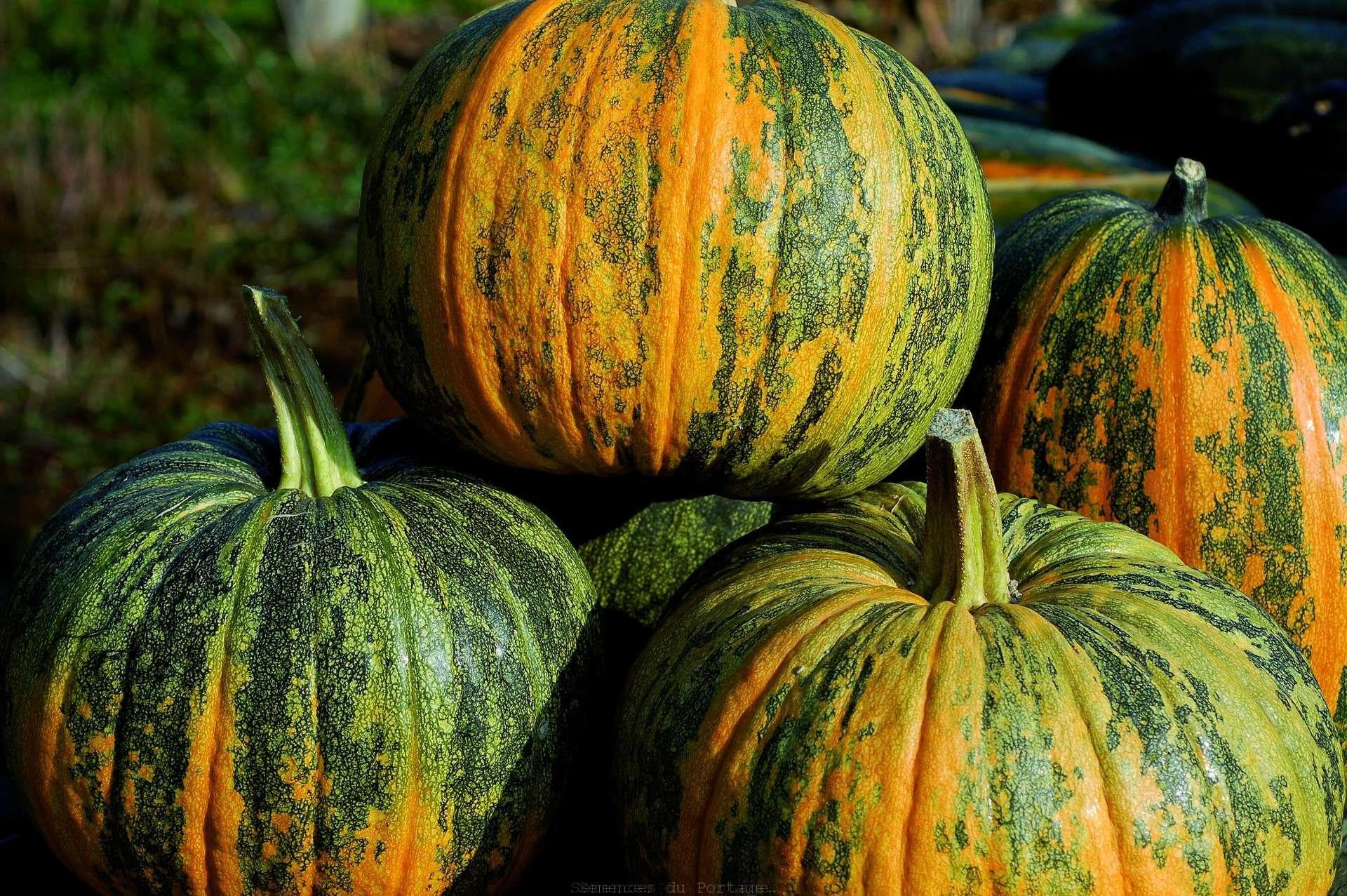
A beautiful green pumpkin with orange streaks, the Styrian pumpkin produces an abundance of edible, hull-free seeds. Good size.
Insect netting is recommended in June to combat the striped cucumber beetle. Pre-germination in a damp cloth is recommended before sowing. A temperature of 25°C gives the best results. As soon as the sprout appears, sow in position in the garden in warmed soil.