


Stinging, but beneficial nettle
Several native nettle species are found in the maritime region of the Gulf of St. Lawrence, and occasionally species introduced from Europe, including Urtica dioica . Among market gardeners and organic gardeners, the dioecious nettle occupies a special place. Indeed, nettle manure is of immeasurable help in the vegetable garden, as it is used as a fertilizer and helps reduce the presence of certain pests.

Herbalists suggest nettle, in infusion or tincture, to improve the response to allergens and relieve allergies, hay fever, and asthma. I don't suffer much from seasonal allergies, but sometimes in August, I get a sneezing fit. I then make myself a liter of nettle tea and from the first cup, I feel relieved and the sneezing lessens and then disappears. Very rich in minerals and assimilable trace elements, including magnesium and iron, nettle is recommended during pregnancy and breastfeeding and to treat problems of anemia and chronic fatigue. Mildly diuretic, nettle increases urine flow in cases of edema, inflammation of the prostate, and urinary tract infections.
A few years ago, I was so surprised to see one of our Belgian neighbors in our stinging nettle bed, bent double, whipping his arms to relieve his arthritic pain! Indeed, because it facilitates the elimination of toxins and remineralizes, nettle soothes painful joints. Its Latin name Urtica means to burn, and anyone who has ever picked up a nettle leaf or plant with their bare hands understands the origin of its name. Nettle has fine, glandular, brittle hairs that release formic acid, which is very irritating when it comes into contact with the skin, causing a burning sensation that reddens and heats the skin. Julius Caesar's soldiers rubbed their bodies with this herbaceous plant to keep warm during their northern campaigns!

This invasive perennial grows between 30 and 60 cm in height. It grows in sun or partial shade in moist, nitrogen-rich soil. It can be sown in spring or late summer. It is easily propagated by division from a mother plant. Transplant every 30 cm. The long, petiolate leaves resemble mint or lemon balm leaves, but are covered with stinging hairs. Its square, erect, and sturdy stems end in clusters of greenish flowers. Sometimes in spring, blackish caterpillars invade the nettle clump and can decimate it in a few days. A BTK treatment can neutralize them.
To best benefit from the active ingredients of nettle, the leaves are picked before flowering to dry them or make an extract in alcohol or vinegar. It helps increase energy levels and as Marie Provost says: "If you drink a liter of nettle infusion during the day, at the end of a long day of work, in the evening, you still have the energy to make your jams." She adds that it is THE plant she would take to a desert island. In spring, the very young leaves are eaten raw in salads, but as soon as they are more mature, they are used cooked in many recipes where it can replace spinach.
Diane Mackay, herbalist and seed grower.
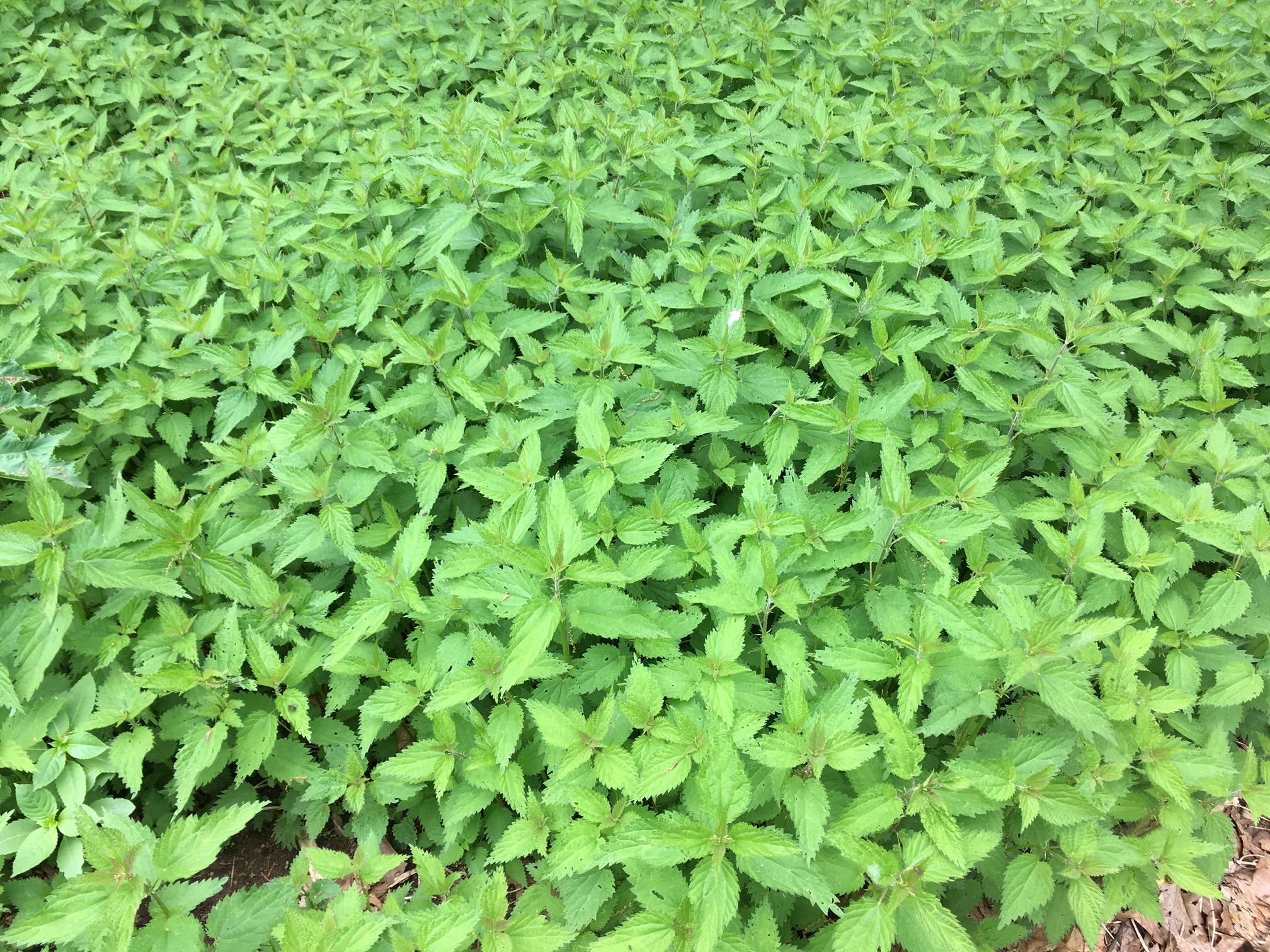
Stinging nettle
We have run out of stock for this item.
Description
Stinging nettle is used to make highly effective fertilizing liquid manures. An important medicinal plant, it is used to make energizing tinctures and herbal teas. Plant height: 75 cm. Slow germination.






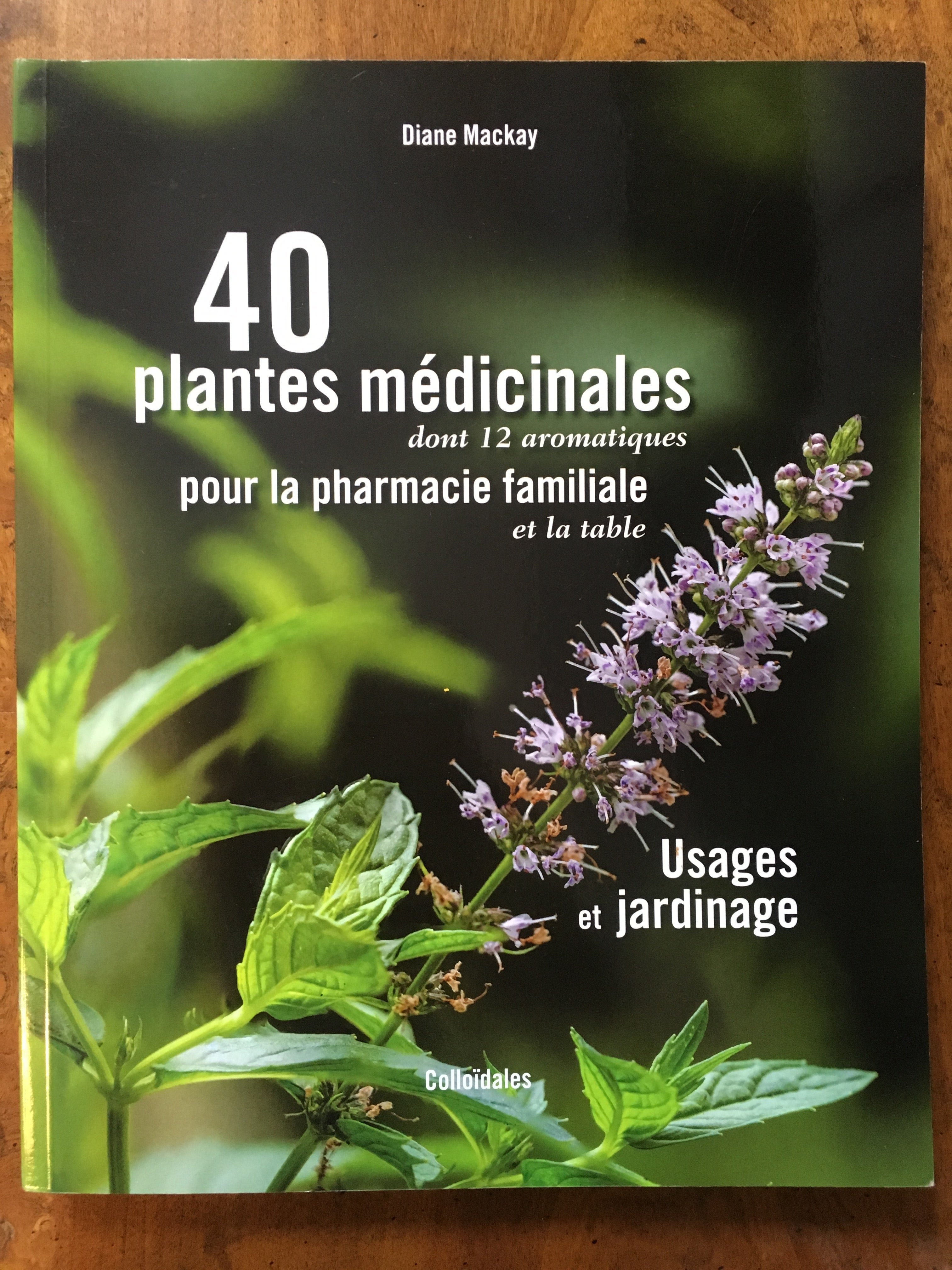


40 Medicinal Plants for the Home Pharmacy
40 Medicinal Plants for the Home Pharmacy : backordered, ships as soon as it is back in stock.
Description
Colloidal Editions 40 Medicinal Plants for the Home Pharmacy is Diane Mackay's first book, which covers 40 medicinal plants that are easy to grow, process, and use, including 12 well-known aromatic plants such as basil, oregano, rosemary, and thyme. She presents them under six headings: history, botany, gardening, uses, cooking (when applicable), and precautions. The book is designed as a practical guide to growing, harvesting, and processing 40 medicinal plants that treat most common health problems. An essential book for building robust, natural health, the key to a healthy, free, and rewarding life.
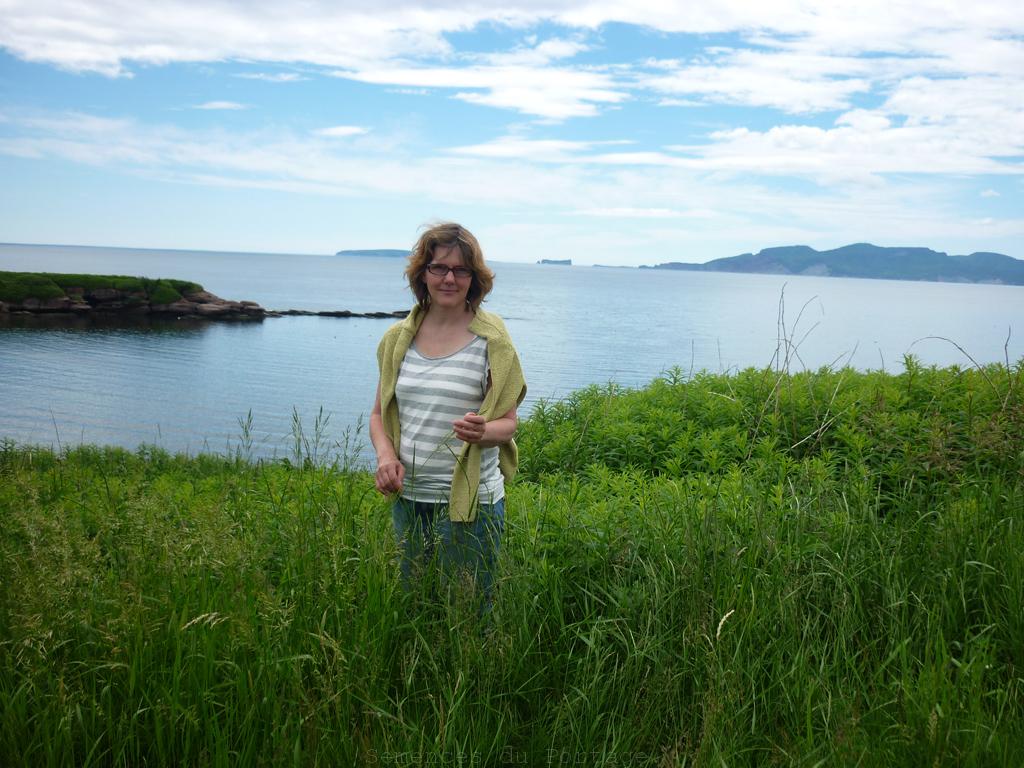
Diane Mackay lives with her partner Yves Gagnon in Saint-Didace, where they founded Les Jardins du Grand-Portage. It was there that she began her traditional herbalism by exploring the vast healing potential of medicinal plants. She cultivates around a hundred species, half of which she transforms into dried herbs, liquid extracts, oils, and ointments. For thirty years, she has been treating those around her with products she makes, who have witnessed their prodigious effectiveness. She provides training and lectures on the subject.
With a simple and fluid pen, Diane Mackay wonderfully communicates the desire to heal oneself and one's loved ones with herbs with multiple properties, in the form of infusions, liquid extracts, oils or ointments.
See the booklet here !
The Seeder
Delivery of book(s)
Shipping charges are set at a maximum of $15 for any quantity of book(s) ordered, with or without the purchase of seeds.
We guarantee to process your order within 72 hours. Secure and expedited delivery will then be provided by Canada Post within 48 hours.
