Previous Continue shopping
Your Order

You have no items in your cart

You might also like:

About figwort

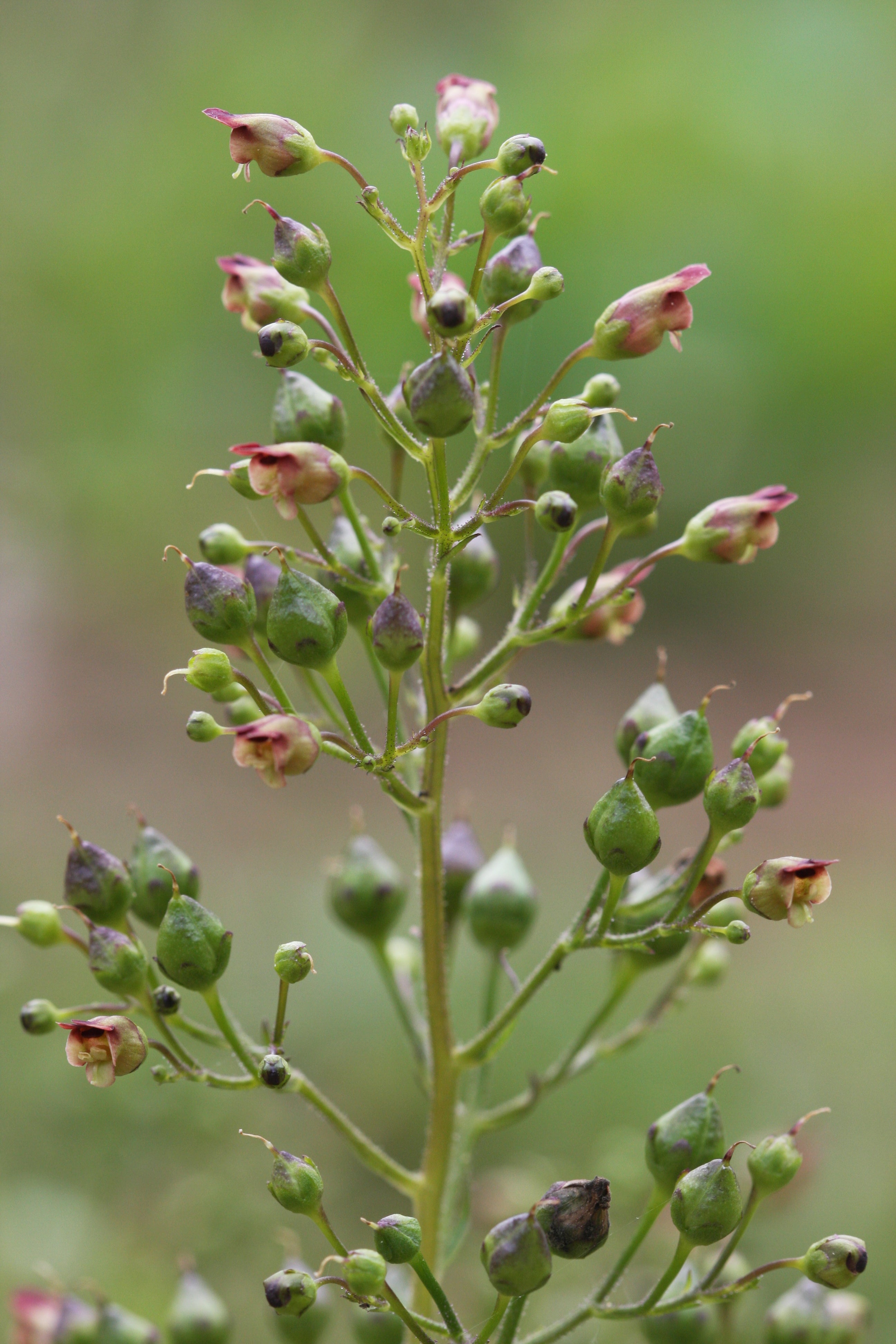
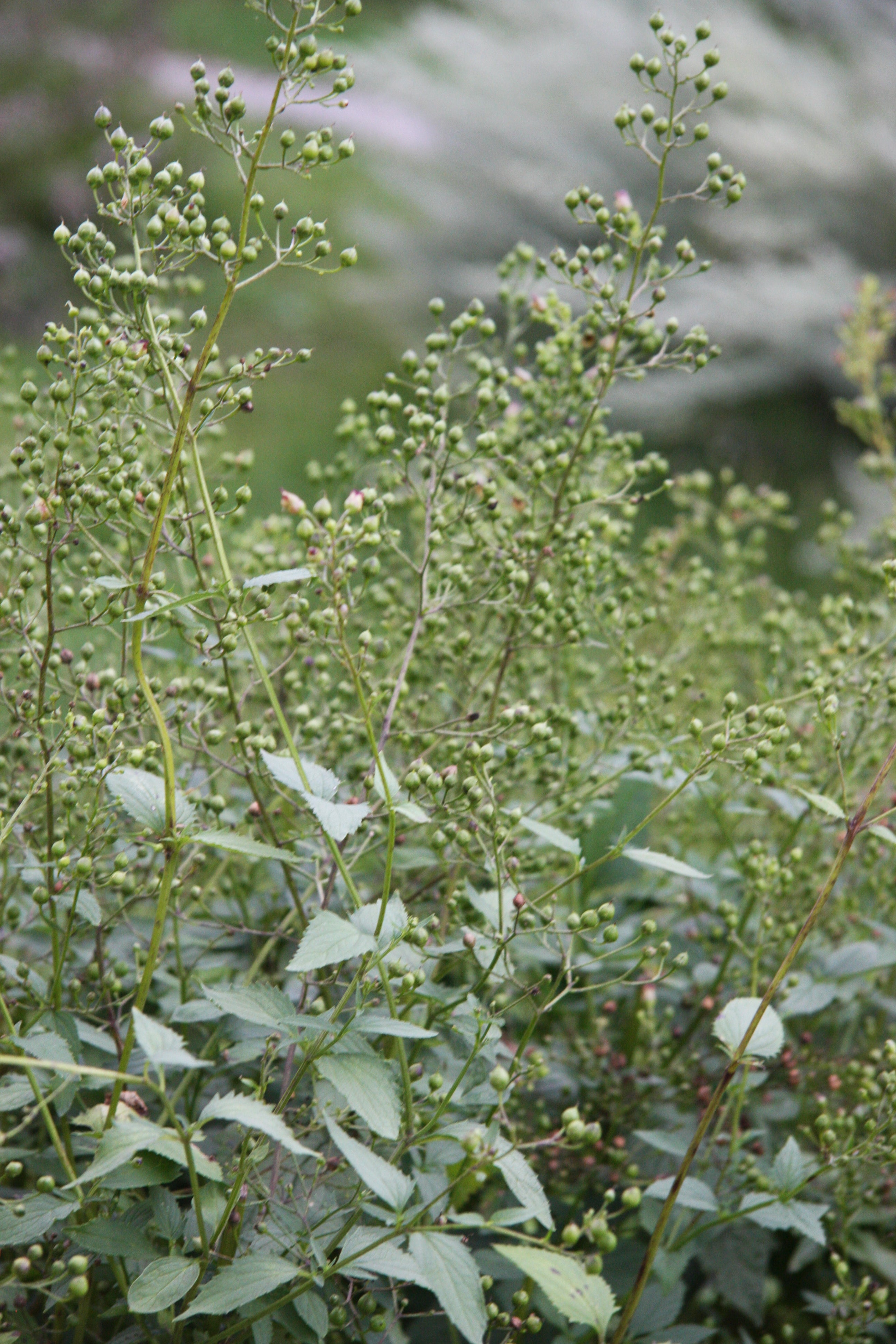
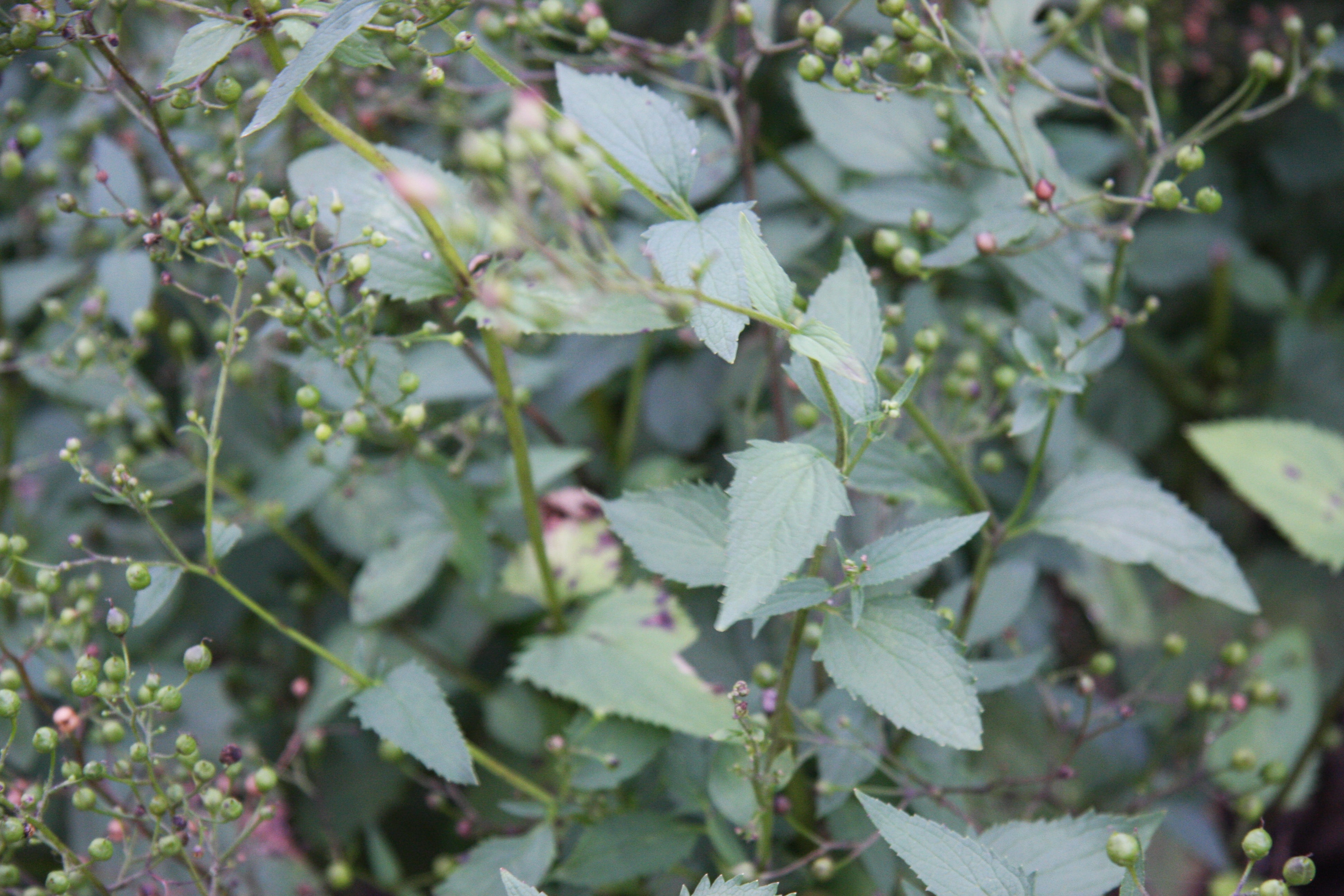
Figwort is a plant of woods and damp places, but it resists well in dry weather in partial shade. It has little ornamental interest, its small flowers, grouped in cymes, are not very attractive to the eye but very attractive to pollinators. These large leaves, when crushed, give off a strong, very characteristic sulfurous odor which prevents it from being confused with any other plant.

A lymphatic stimulating, anti-inflammatory, alterative and fungicidal plant, it helps internally and externally with skin problems and can help relieve arthritic conditions.
In the garden, it is used in the production of liquid manure or antifungal decoction.

It reseeds itself. It flowers all summer long from the second year.

Germinates in 15 days. It thrives in all types of soil.

Growing tips for figwort

Family
Scrophulariaceae (Common figwort)
Number of seeds
± 100
Growing cycle
Perennial
Suggested sowing
Interior
Suggested time*
mid-April
Ideal germination temperature
From 15 to 21℃
Germination time
10 to 20 days
Sowing depth
Three times the size of the seed.
Seed storage
In a dry place away from light.
Seed shelf life
2 years minimum
Exposure
partial shade|sun
Distance between plants
35.4 inches
*The suggested time concerns zone 4b. For zone 5 you can start 2 weeks earlier and in zone 3 delay by 2 weeks. The number of days indicated is calculated from planting in the garden. Click here to get your hardiness zone or create your gardening calendar with our Quebec partner, lamainverte.ca.

Frequently Asked Questions

Find answers to common questions about this product

Quelles fleurs attirent le plus les abeilles au Québec ?

La phacélie, la bourrache, le trèfle, la monarde, l'agastache, l'asclépiade, le tournesol et le souci comptent parmi les plus visitées. Privilégiez les fleurs simples, à un seul rang de pétales : les fleurs doubles sont souvent stériles et n'offrent ni nectar ni pollen.

Comment nourrir les pollinisateurs toute la saison ?

En échelonnant les floraisons. Printemps : pissenlit, bourrache, phacélie semée tôt. Été : monarde, agastache, tournesol, souci, bleuet. Fin de saison : asclépiade, verge d'or, sarrasin, trèfle. Semez par îlots d'au moins un mètre carré plutôt qu'en plants isolés : les butineuses repèrent les masses de couleur.

Faut-il installer une ruche pour aider les abeilles ?

Non, et c'est parfois contre-productif. L'abeille domestique est un animal d'élevage qui entre en concurrence avec les centaines d'espèces d'abeilles sauvages indigènes, plus menacées. Semer des fleurs mellifères, laisser des zones de sol nu et renoncer aux pesticides aide davantage.

Do you have another question?

Gardening articles related to figwort