


About Joan's rutabaga
The Joan rutabaga is a root vegetable with sweet orange flesh that can be stored in a cold room until June.
Growing tips for Joan's rutabaga
Gardening articles related to Joan's rutabaga
Our rutabaga joan seeds are certified organic.
We use natural, eco-friendly methods to grow our plants, without pesticides, herbicides, or chemical fertilizers. By choosing our organic rutabaga joan seeds, you support a responsible, nature-friendly approach.
Learn more:
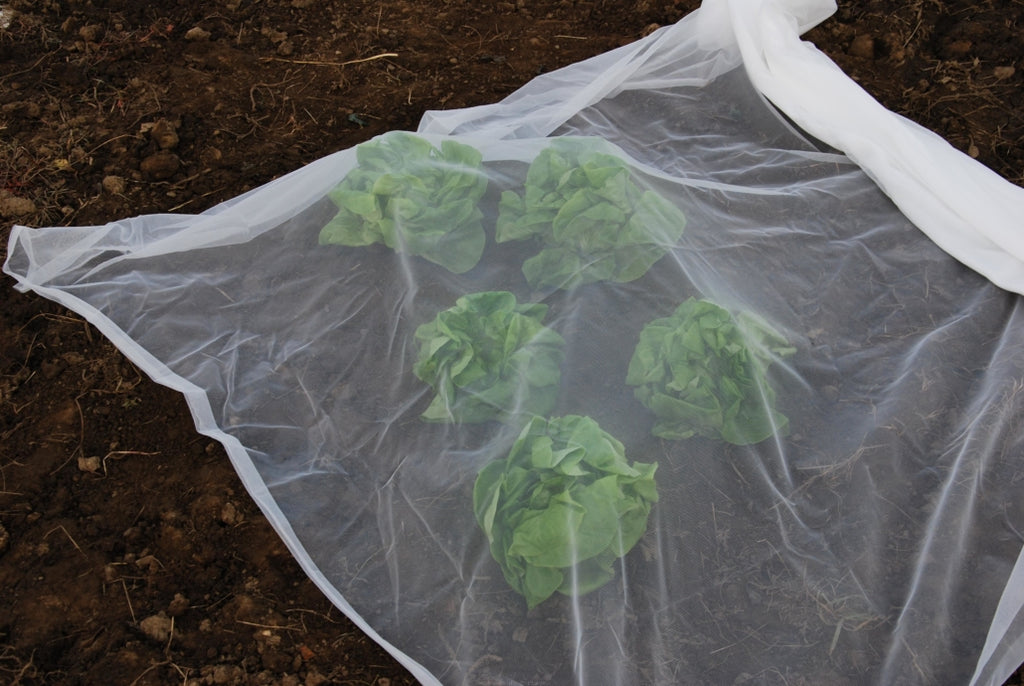
Insect netting required
Cabbage root fly eggs are a problem; rutabagas will harbor maggots if left unattended. Protect the plants by covering them with agrotextile throughout the season.
Yves Gagnon
Growing conditions for rutabaga
Rutabaga is a cool-climate plant that grows in full sun; however, it can tolerate partial shade. Resistant to temperatures as low as -10°C, it can remain in the garden late into autumn; it overwinters without difficulty in temperate regions. Rutabaga adapts to all types of soil: it prefers fresh, loose, and well-drained soils. It is one of the few root vegetables that appreciates clay soils. Rutabaga is not very demanding. It is grown without compost when the previous crop has received a significant contribution. Poor soils are amended with 500 kg of mature compost per 100 m2. The soil must be well supplied with boron. In case of deficiency, 100 g of borax is added per 100 m2. Regular moisture helps achieve optimal taste quality. The ideal pH for growing rutabaga is between 5.5 and 6.8.
Rutabaga Crop Rotation
Being undemanding, rutabaga is grown at the end of the rotation, often after leafy vegetables. Brassica crops should be spaced 4 years apart, and up to 8 if clubroot is present.
Rutabaga Companionship
Rutabaga can be combined with a number of frugal plants including carrots, beets, kohlrabi, parsnips and onions.
— These valuable tips were written by Yves Gagnon, in the book The ecological cultivation of vegetable plants , Colloidal Editions.
