


About Astro rocket
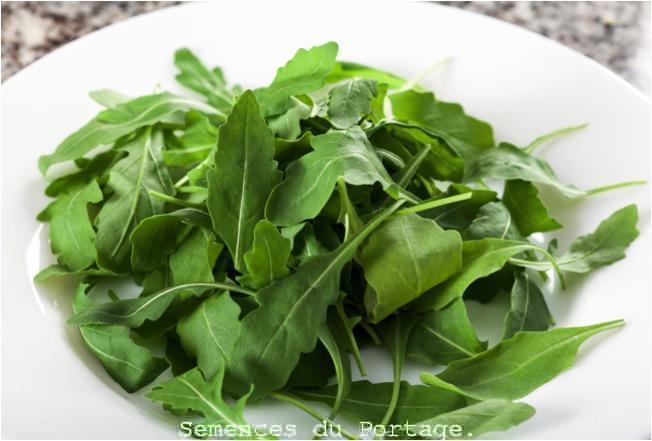
Astro arugula produces slightly serrated leaves with a peppery flavor. Successive sowing is recommended. Milder flavor if harvested young.
Growing tips for Astro rocket
Gardening articles related to Astro rocket
Our astro rocket seeds are certified organic.
We use natural, eco-friendly methods to grow our plants, without pesticides, herbicides, or chemical fertilizers. By choosing our organic astro rocket seeds, you support a responsible, nature-friendly approach.
Learn more:
Yves Gagnon
Growing conditions for arugula
Arugula is grown in spring or autumn in full sun and in summer in a partially shaded area. It tolerates drought, although this induces flowering and enhances its flavor. Frost-resistant, the species appreciates cool, moist conditions and prefers fresh, humus-rich soils; all soil textures are suitable. Amend with 500 kg of mature compost per 100 m2. The ideal pH for growing it is between 6 and 7.
Arugula Crop Rotation
Arugula is best grown in the second year of rotation with other leafy vegetables after growing voracious plants.
Companionship of arugula
Due to its small size and short growing time, arugula can be combined with any leafy greens. In late summer, it is grouped with other autumn crops, such as lettuce, spinach, chicory, lamb's lettuce, mustard, and Chinese cabbage.
— These valuable tips were written by Yves Gagnon, in the book The ecological cultivation of vegetable plants , Colloidal Editions.
