


Gourmet Pepper
We have run out of stock for this item.
About Gourmet pepper
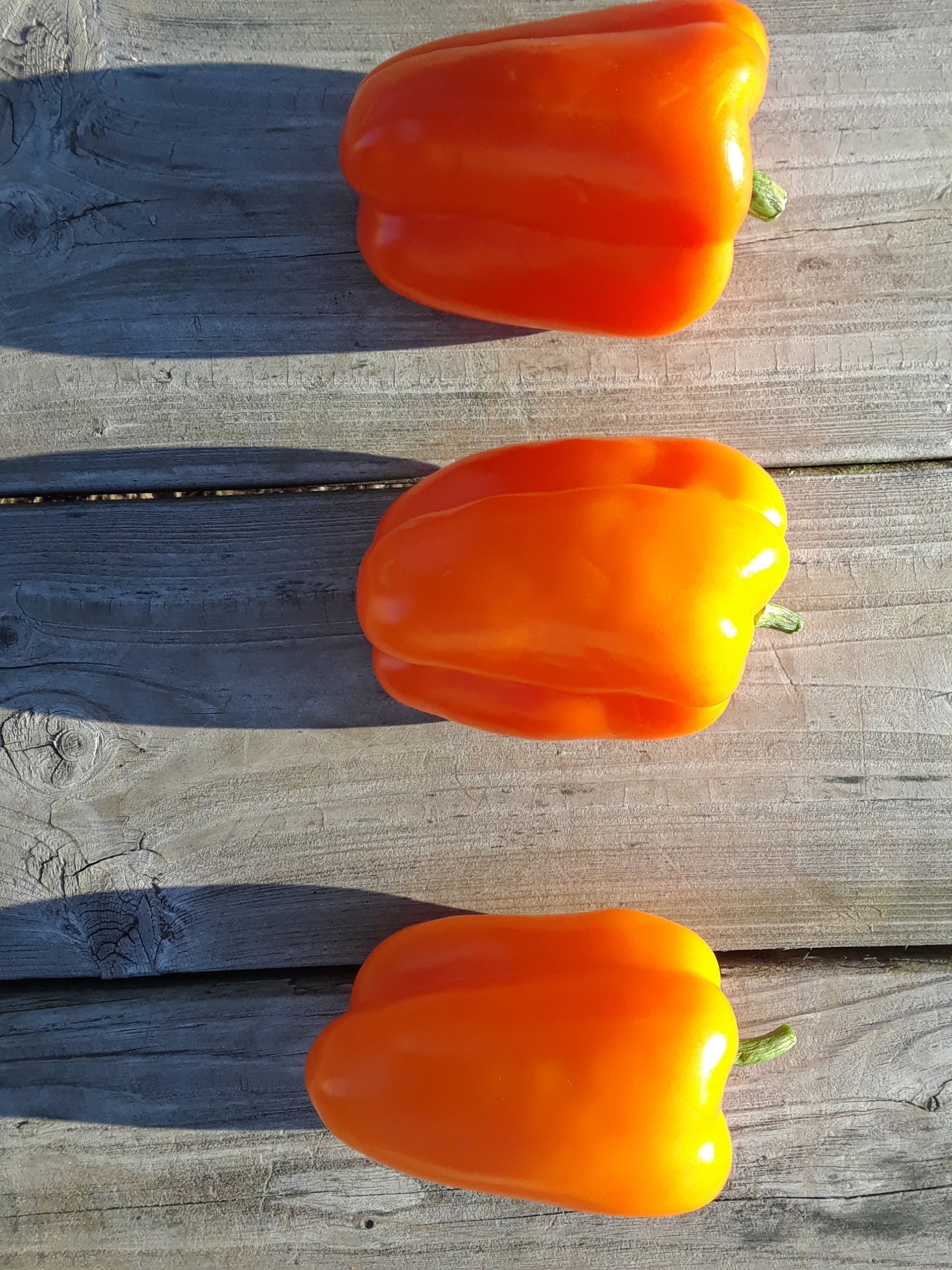
An early pepper that produces a profusion of lobed fruits of a beautiful orange color, juicy and sweet. Compact plant perfect for growing in pots or in the garden.
Germination in warm conditions is recommended. Transplant when all risk of frost has passed.
Growing tips for Gourmet pepper
Our gourmet pepper seeds are certified organic.
We use natural, eco-friendly methods to grow our plants, without pesticides, herbicides, or chemical fertilizers. By choosing our organic gourmet pepper seeds, you support a responsible, nature-friendly approach.
Learn more:
Yves Gagnon
Pepper growing conditions
Peppers are heat-loving and light-loving plants. They are propagated by indoor sowing and transplanted after the last frost to a sunny, wind-protected location; earlier transplants should be done under the protection of a layer or tunnel. Pollination of pepper flowers is affected by cold, extreme heat, and drought. Prolonged drought and temperatures below 13°C or above 28°C cause flower drop, reducing early fruit set and affecting yield. Protection against cold is strongly recommended at the beginning of the season. Peppers prefer sandy soils, as they warm up more quickly, but are more productive in clay soils, provided they are well-structured and shaped into beds. Peppers have low nitrogen requirements. An excess of this element promotes leaf development to the detriment of fruit set. Young compost and nitrogen fertilizers are therefore harmful to them. The soil for its cultivation is amended with 500 kg to 1 t of mature compost per 100 m2. The species requires an adequate presence of phosphorus, potassium, calcium and magnesium; an addition of basalt, mica or sul-po-mag combined with mineral phosphate at a rate of 5 kg of fertilizer per 100 m2 allows these mineral needs to be met. 15 ml of shrimp or crab meal and 15 ml of dolomitic lime or wood ash could also be added to the transplanting pit. In dry periods, irrigation is carried out with temperate water, manually or using a drip system. The optimal pH for growing peppers is between 6 and 7.
Pepper Crop Rotation
Peppers are grown after a demanding crop, normally in the second year of the rotation.
can also grow peppers in the first year of rotation in the company of greedy plants,
but with a contribution of mature compost.
Pepper Companionship
Peppers can be combined with all leafy vegetables, as well as artichokes, cucumbers, zucchini, tomatoes, and eggplants. Peppers should be grown in full sun but sheltered from the wind.
tomato or artichoke as a windbreak.
— These valuable tips were written by Yves Gagnon, in the book The ecological cultivation of vegetable plants , Colloidal Editions.
