


![Tansy-leaved Phacelia 50g [green manure]](http://semencesduportage.com/cdn/shop/files/iStock-1153082452_b842e73c-5196-4d84-a085-3c0b4a98e4ca.jpg?v=1712291620)
SEMENCES
Tansy-leaved Phacelia 50g [green manure]
We have run out of stock for this item.
Ces semences sont disponibles


About phacelia
Phacelia produces significant amounts of organic matter. Furthermore, it is a green manure of interest to beekeepers because it is highly melliferous. It attracts several predatory and parasitoid insects. Sow after the risk of frost. Used as a green manure but also as magnificent ornamental flowers. Incorporate after flowering. Suitable for all soil types.
H: 75 cm. Untreated seeds. 50 g covers 50 square meters, 5 g covers 5 square meters
50 g = 31,250 seeds
Green manures
Green manures are crops intended to be incorporated into the soil to increase fertility. Cultivating green manures offers many advantages. Among other things, it helps prepare new ground. Cultivated cyclically, green manures rest, enrich, and sanitize the soil. Established in the autumn, they protect the soil from erosion and leaching and preserve its structure.
Growing tips for phacelia

Growing tips for green manures
Green manures are crops intended to be worked into the soil to increase fertility. Growing green manures has many benefits. Among other things, it allows you to prepare new land. Grown cyclically, green manures rest, enrich, and cleanse the soil. Established in the fall, they protect the soil from erosion and leaching and preserve its structure.
— These valuable tips were written by Yves Gagnon, in the book Ecological culture for small and large areas , Les Éditions Colloïdales.
![Autumn rye [green manure]](http://semencesduportage.com/cdn/shop/products/seigle-dautomne_1024x1024.jpg?v=1698855125)
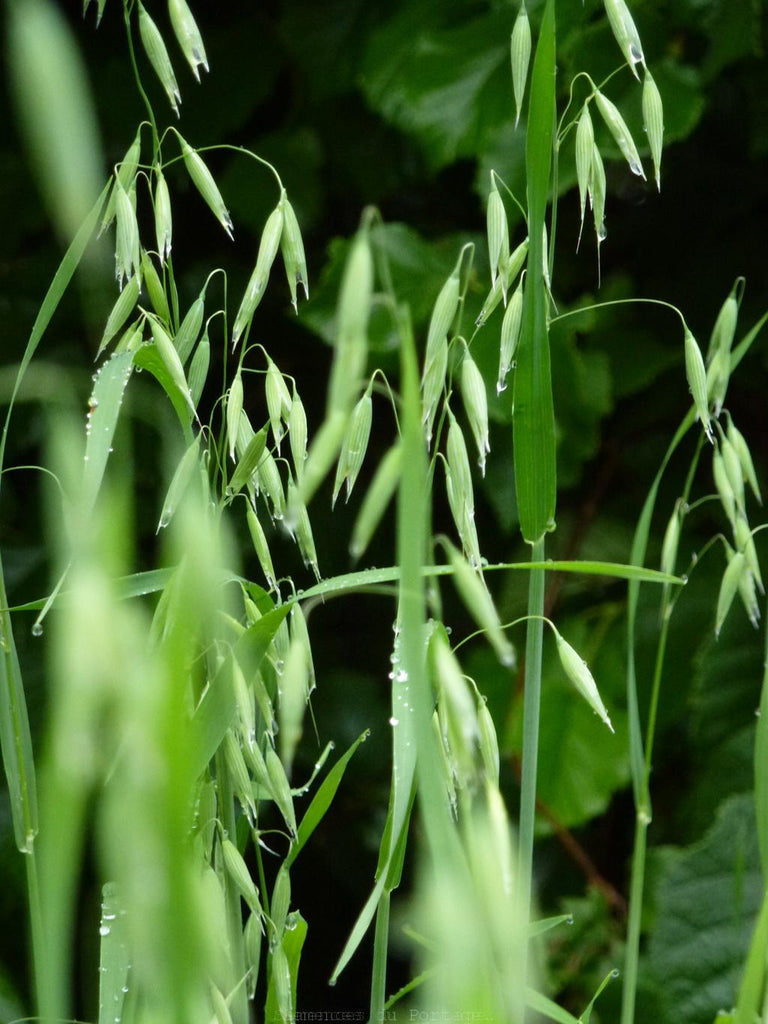
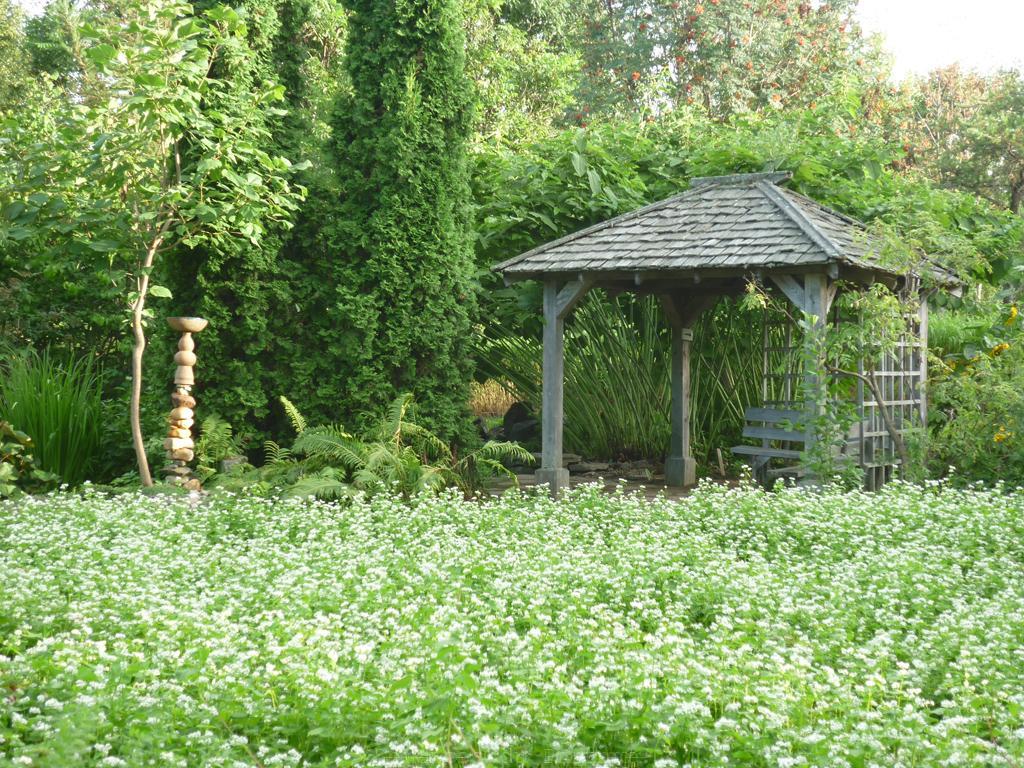
![Oat and forage pea mixture [green manure]](http://semencesduportage.com/cdn/shop/files/D26C18C2-5146-4748-A036-EE1D1FD9597F_1_105_c_{width}x.jpg?v=1698855032)
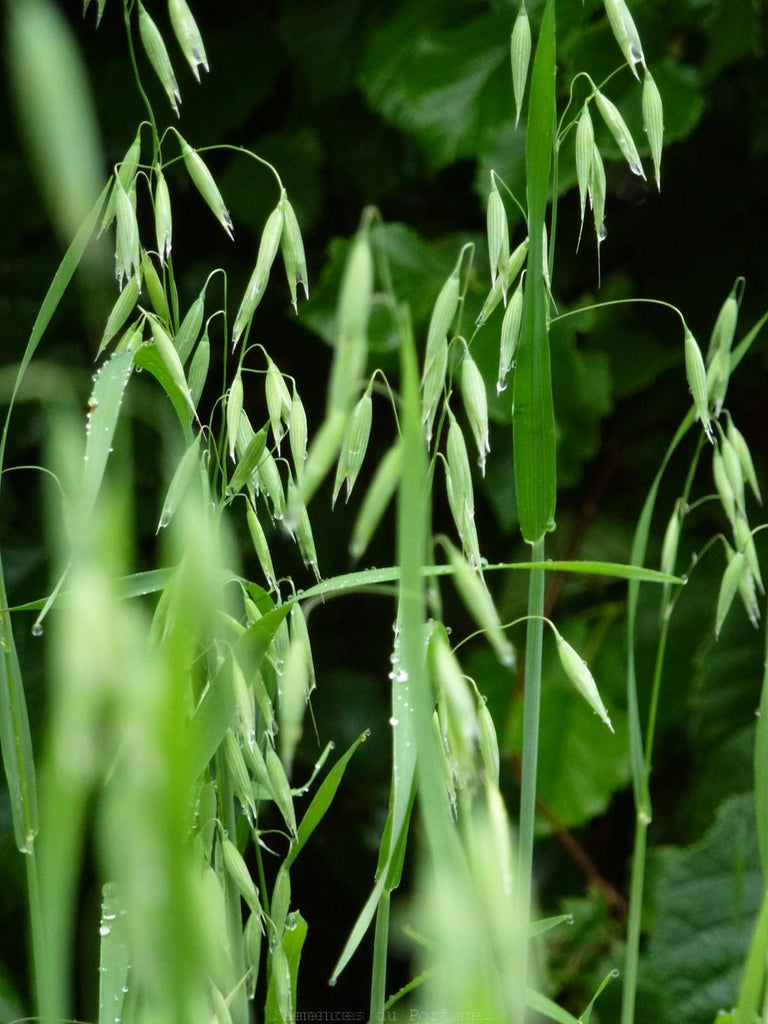
![Forage peas [green manure]](http://semencesduportage.com/cdn/shop/files/98196129-9DF0-4149-9E09-5CB54178B321_1_105_c_{width}x.jpg?v=1698855075)
![Forage peas [green manure]](http://semencesduportage.com/cdn/shop/products/157862e8-e806-4c3f-bc57-038be30279a0-1-105-c_1024x1024.jpg?v=1698855075)


