


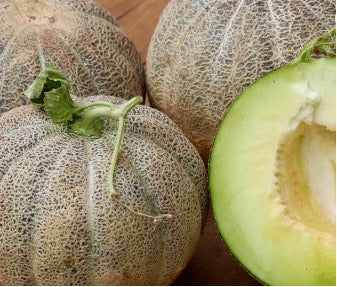
Montreal Melon
We have run out of stock for this item.
Ces semences sont disponibles


About Montreal melon
Legendary green-fleshed melon producing large, ribbed fruits. Quebec heirloom variety. Insect netting is recommended in June to deter the striped cucumber beetle. Pre-germination in a damp cloth in a warm place is recommended before sowing. A temperature of 25°C is recommended. As soon as the sprout appears, it can be sown directly in the garden in warmed soil. For best results, sow in individual pots at the end of April.
Growing tips for Montreal melon
Gardening articles related to Montreal melon
Our montreal melon seeds are certified organic.
We use natural, eco-friendly methods to grow our plants, without pesticides, herbicides, or chemical fertilizers. By choosing our organic montreal melon seeds, you support a responsible, nature-friendly approach.
Learn more:
Why choose Oka melon?
How about a large melon with pale orange skin adorned with beige embroidery and whose heady flesh diffuses a sweet, honeyed, almost tropical fragrance? This is the description of a ripe Oka melon, harvested at the height of its ripeness, somewhere in August when the warm, late-summer temperature lends itself perfectly to its eating. The knife, when it pierces its fresh flesh, generates a fine, sweet juice coulis that can be collected to bind a seasonal fruit salad composed of freshly picked plums and a few raspberries that have been carefully thawed earlier in the day. I have been growing Oka melons and producing their seeds since 2005, and every year, at harvest time, I am grateful to be able to harvest such a delicious and thirst-quenching fruit. I freeze large quantities of them in cubes to make some sorbets and granitas during the winter. To speed up their ripening, I start them in 8cm pots in early May for transplanting in early June, once the risk of frost has passed. The secret is to not break up the root ball of compost when planting the plants in soil enriched with compost.
Just before transplanting, it is important to moisten the substrate well and compress it.
lightly with my fingers then, installed near the planting pit, I invert the pot in
holding the soil with my fingers between which is the stem, I remove
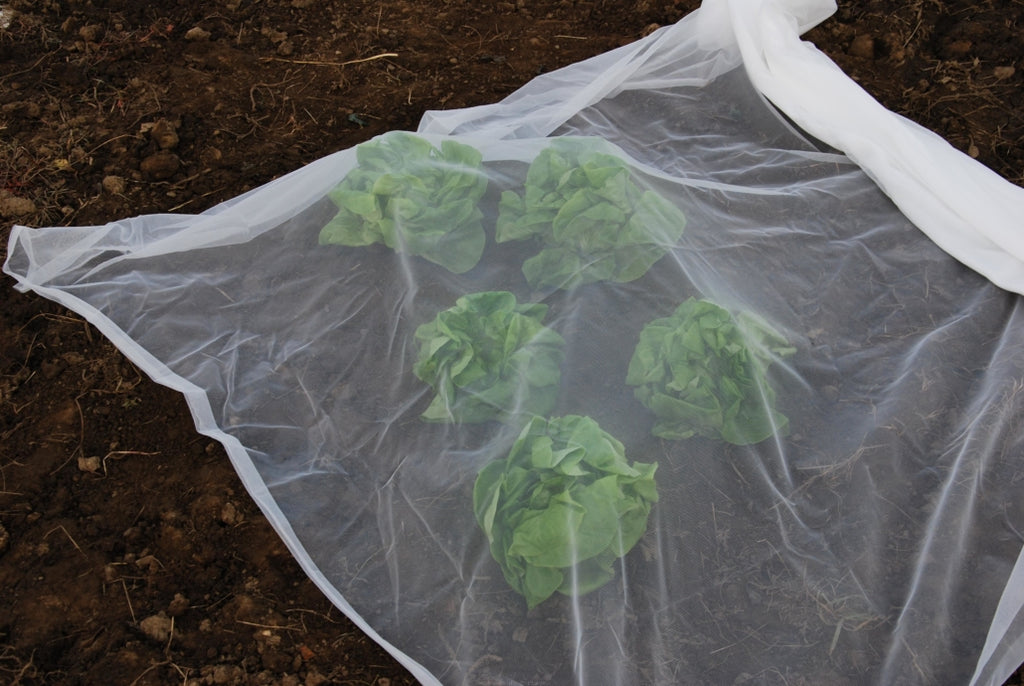
Gently the pot, I grab the clod of potting soil with my hands, turn it over and place it very gently in the hole after which I fill the hole with soil and give a good watering. The recovery is then instantaneous. I cover the plants with an anti-insect net until the end of the leaf beetle cycle then I let the plant develop as it pleases. Once the
Once the fruit is formed, I slip a shingle underneath to prevent it from rotting. The fruit is harvested when it is a nice beige color and begins to give off a captivating scent of musky nectar. Enjoy!
The muskmelon Muskmelon Cucumis melo var. reticulatus
The muskmelon is very popular in North America, where it is often mistakenly called cantaloupe. The name "muskmelon" comes from the beige, corky embroidery that covers its pale skin, which turns orange when ripe. Its ripe flesh offers a heady aroma, a sweet flavor, and a silky texture that refreshes the mouth. It was widely cultivated on the south slope of Mount Royal in Quebec between 1920 and 1930. The large, exceptionally succulent fruit was known in New York markets as the Montreal Muskmelon. The original strain can still be found in seed conservation networks, including the Heritage Seed Program Canada. One of its hardy descendants, the Oka melon, is also found there, developed in 1912 by Father Athanase of the Oka Agricultural Institute.
Yves Gagnon
Melon growing conditions
Due to their African origin, melons are very demanding in terms of heat. Temperatures below 10 oC affect their development. In northern regions, they must be propagated by indoor sowing and transplanted in layers or tunnels to protect them from the cold and wind, both of which are detrimental to their development. Melons are therefore grown in full sun, sheltered from the wind; light, deep, humus-rich soil is preferred; clay soils must be well structured and shaped into beds. Melons require moderately decomposed compost. The soil for its cultivation is amended with 1 t of semi-ripe compost per 100 m2. An addition of 60 ml of mineral phosphate per plant improves the performance of the species. Monthly fertigation with liquid manure increases the productivity of the plants; during the ripening period, however, any nitrogen addition, which would be harmful to them, should be avoided, as should excess moisture. Although melons, and watermelon in particular, have a drought-resistant root system, weekly irrigation during dry spells maximizes yield. The presence of bees and honey-producing flowers nearby aids in fertilization, which is often irregular. The recommended pH for melon cultivation is between 6 and 7.
Melon Crop Rotation
Melon is grown in the first year of rotation after a green manure crop.
Melon companionship
Melons can be planted with other cucurbits to the east of corn or rows of sunflowers. They grow well alongside tomatoes, peppers, eggplant, and artichokes. They can also be grown with marjoram, basil, marigold, or borage. To maximize space utilization, leafy vegetables or radishes can be grown at the edge of the beds early in the season. These early vegetables will overlap the melons for a while, but once harvested, the melons will have all the space they need to grow.
— These valuable tips were written by Yves Gagnon, in the book The ecological cultivation of vegetable plants , Colloidal Editions.
Our advice, your success!
Insect netting before pollination
Insect netting is recommended for all cucurbits to combat the striped cucumber beetle. Be careful, it will be necessary to remove the netting when the flowers form or opt for hand pollination.
Seed pre-germination; simple and effective
For optimal germination, we suggest pre-germinating in a warm, moist cloth before sowing. A temperature of 25°C gives the best results. As soon as the sprout appears, you can sow in a warmed-up position in the garden.
Indoor sowing; fragile roots
Cucurbits have very fragile roots. If you start your cucurbit seedlings indoors, be sure not to damage the roots when transplanting them into the ground. Using a biodegradable pot is recommended.
