


SEMENCES
New Zealand spinach
We have run out of stock for this item.
Ces semences sont disponibles


About New Zealand spinach
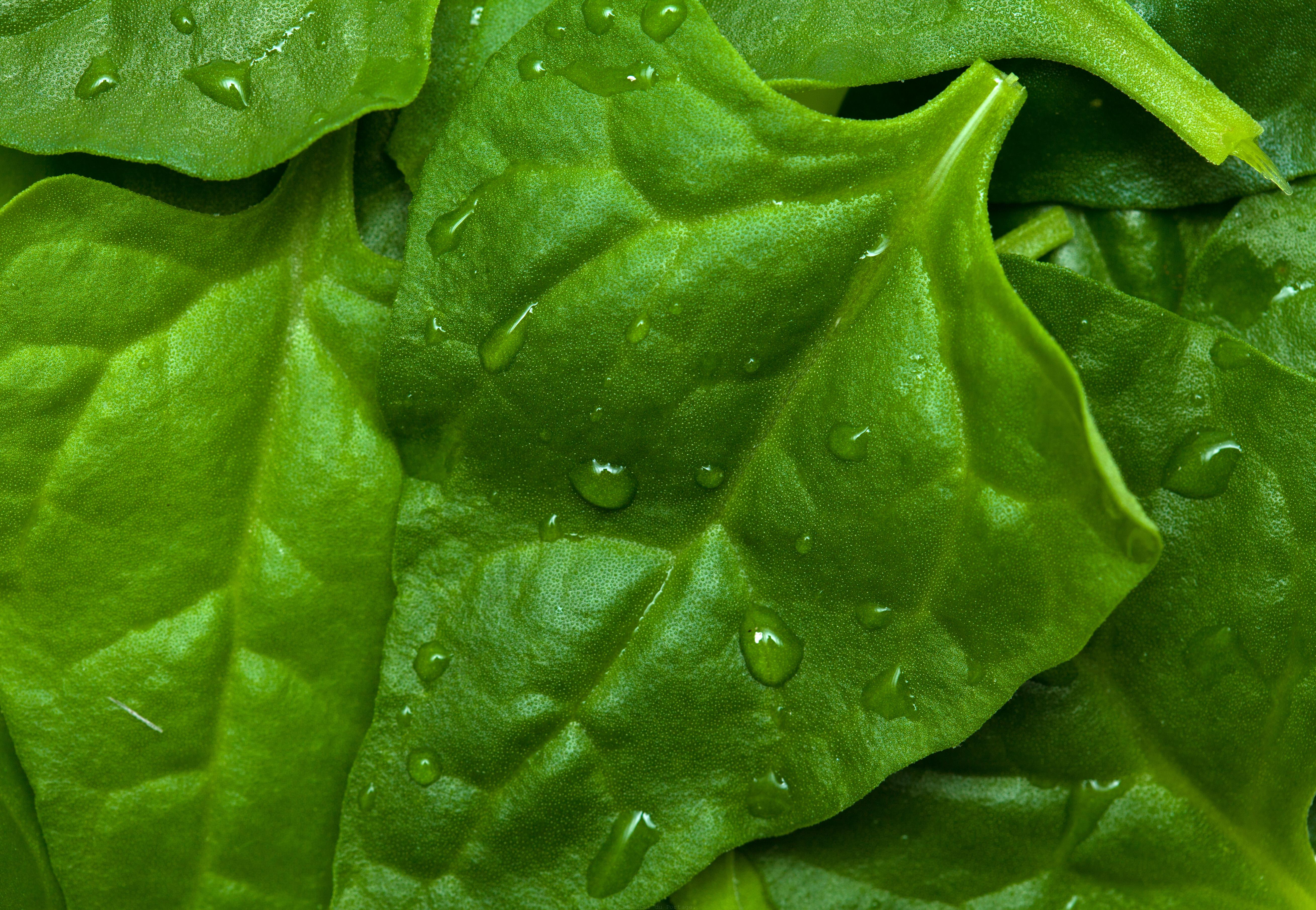
Also called New Zealand spinach, New Zealand spinach makes a beautiful edible ground cover, producing until autumn. Its leaves are eaten like spinach. Creeping plant . Conventional production seed.
Growing tips for New Zealand spinach
Gardening articles related to New Zealand spinach
Yves Gagnon
Growing conditions for New Zealand spinach
New Zealand spinach is a heat-loving species that tolerates drought well, but not frost. It is grown in full sun in loose, humus-rich soil. As it is demanding, the soil should be amended with 1 t of mature compost per 100 m2. The optimal pH for its cultivation is between 6.5 and 7.
Crop rotation of New Zealand spinach
New Zealand spinach is normally grown in the second year of the rotation in association with plants that require mature compost. It can be used as a ground cover for tomatoes, sunflowers, and artichokes. Its position in the rotation can therefore vary.
Companionship of the New Zealand tetragon
New Zealand spinach can be grown with leafy vegetables, tomatoes and other tall plants, creating a beautiful edible ground cover between the plants.
— These valuable tips were written by Yves Gagnon, in the book The ecological cultivation of vegetable plants , Colloidal Editions.
