


About naked-seeded Kakai pumpkin
The naked-seeded Kakai pumpkin produces beautiful green fruits with orange streaks. Smaller than the Styrian, it also produces edible seeds without hulls. Insect netting is recommended in June to combat the striped cucumber beetle. Pre-germination in a warm, damp cloth is recommended before sowing. A temperature of 25°C gives the best results. As soon as the sprout appears, it can be sown in a warmed-up position in the garden.
Growing tips for the naked-seeded Kakaï pumpkin
Gardening articles related to the naked-seeded Kakaï pumpkin
Our naked-seeded kakai pumpkin seeds are certified organic.
We use natural, eco-friendly methods to grow our plants, without pesticides, herbicides, or chemical fertilizers. By choosing our organic naked-seeded kakai pumpkin seeds, you support a responsible, nature-friendly approach.
Learn more:
Our advice, your success!
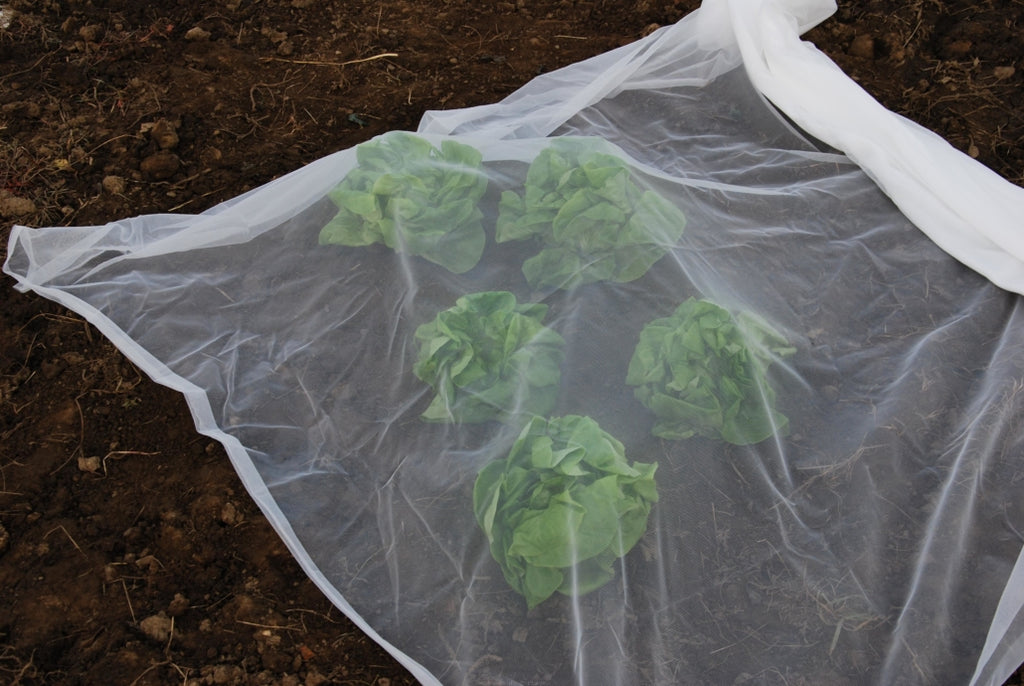
Insect netting before pollination
Insect netting is recommended for all cucurbits to combat the striped cucumber beetle. Be careful, it will be necessary to remove the netting when the flowers form or opt for hand pollination.
Seed pre-germination; simple and effective
For optimal germination, we suggest pre-germinating in a warm, moist cloth before sowing. A temperature of 25°C gives the best results. As soon as the sprout appears, you can sow in a warmed-up position in the garden.
Indoor sowing; fragile roots
Cucurbits have very fragile roots. If you start your cucurbit seedlings indoors, be sure not to damage the roots when transplanting them into the ground. Using a biodegradable pot is recommended.
Pumpkin
The fruit we call a pumpkin is actually a squash that has been selected for its ability to be
carved. This squash is grown primarily for Halloween, an American holiday. Unfortunately,
It is produced mainly to serve as a lantern on the occasion of this festival, after which it is disposed of.
so focused the development of the pumpkin on its ability to be carved, without regard to its quality
taste. Despite this, some pumpkin cultivars produce tender and tasty flesh. We gain
so to cultivate these and experiment with them in the kitchen. We make excellent soups from them as well as
traditional pumpkin pie. Pumpkin keeps for several months.
Yves Gagnon
Conditions for growing squash
Since squash are sensitive to frost, you must wait until the risk of frost has passed before sowing them.
As they come from tropical areas, they appreciate warmth. The optimal temperature for their growth is between 15 and 25°C, with the maxima species being best suited to cold conditions. Squash require a sunny site. They thrive best in light, deep, humus-rich soil. However, they do well in lumpy clay soil. All squash require young compost. Amend the soil with 1 to 1.5 t of young compost per 100 m2. Adding mineral phosphate encourages fruit set. Monthly fertigation with plant manure increases yield. The recommended pH for growing squash is between 6 and 6.5.
Squash Crop Rotation
Squash are grown at the start of the rotation, ideally after green manure .
Companion planting of squash
Squash should be grown to the east of the corn plot, which then acts as an annual windbreak and provides partial shade for the vines that creep through it. Squash also grows well alongside sunflowers, cucumbers, and melons. Avoid planting them with potatoes and tomatoes. Marjoram and basil are good friends with squash.
— These valuable tips were written by Yves Gagnon, in the book The ecological cultivation of vegetable plants , Colloidal Editions.
