


About Orange Swiss chard
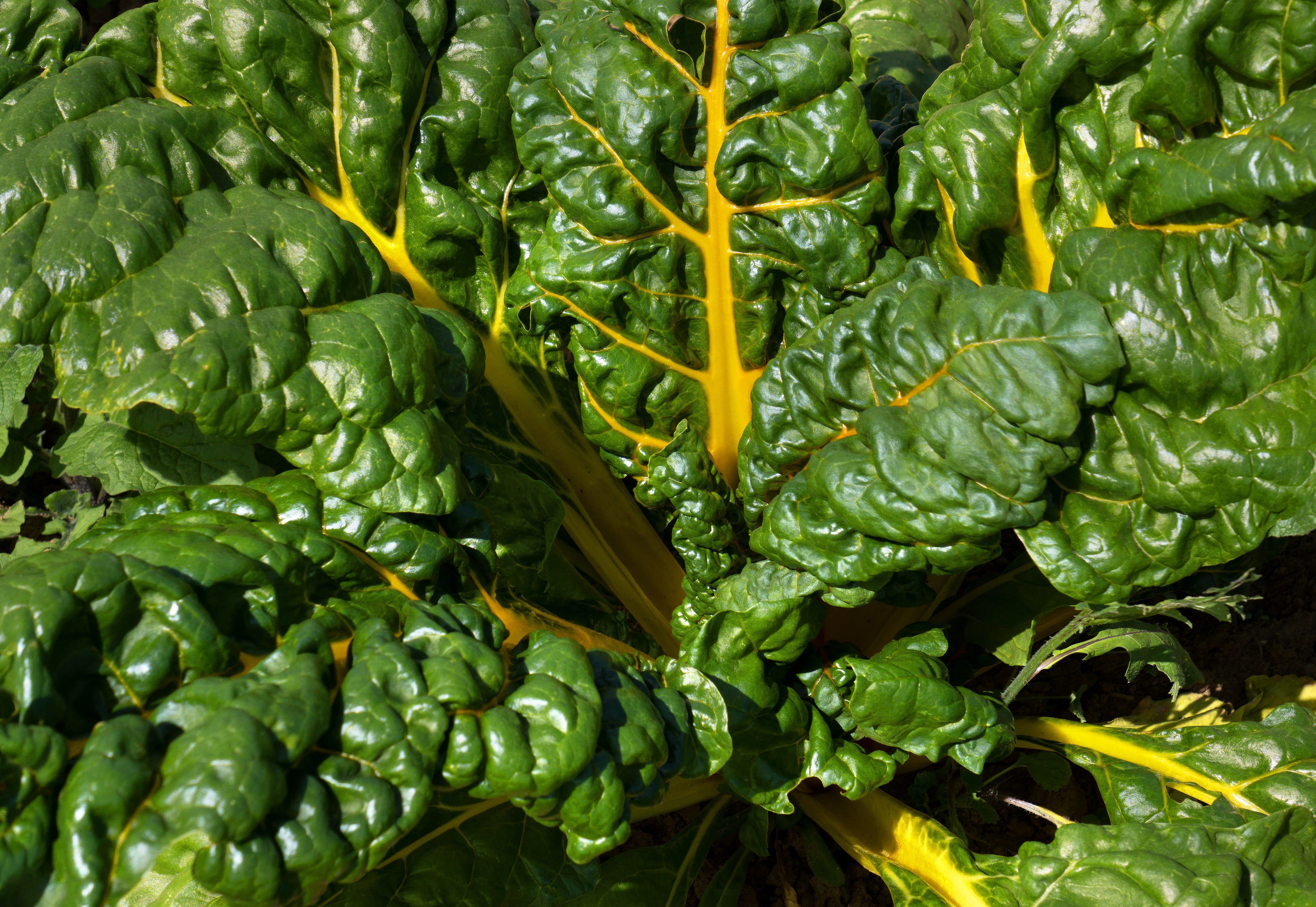
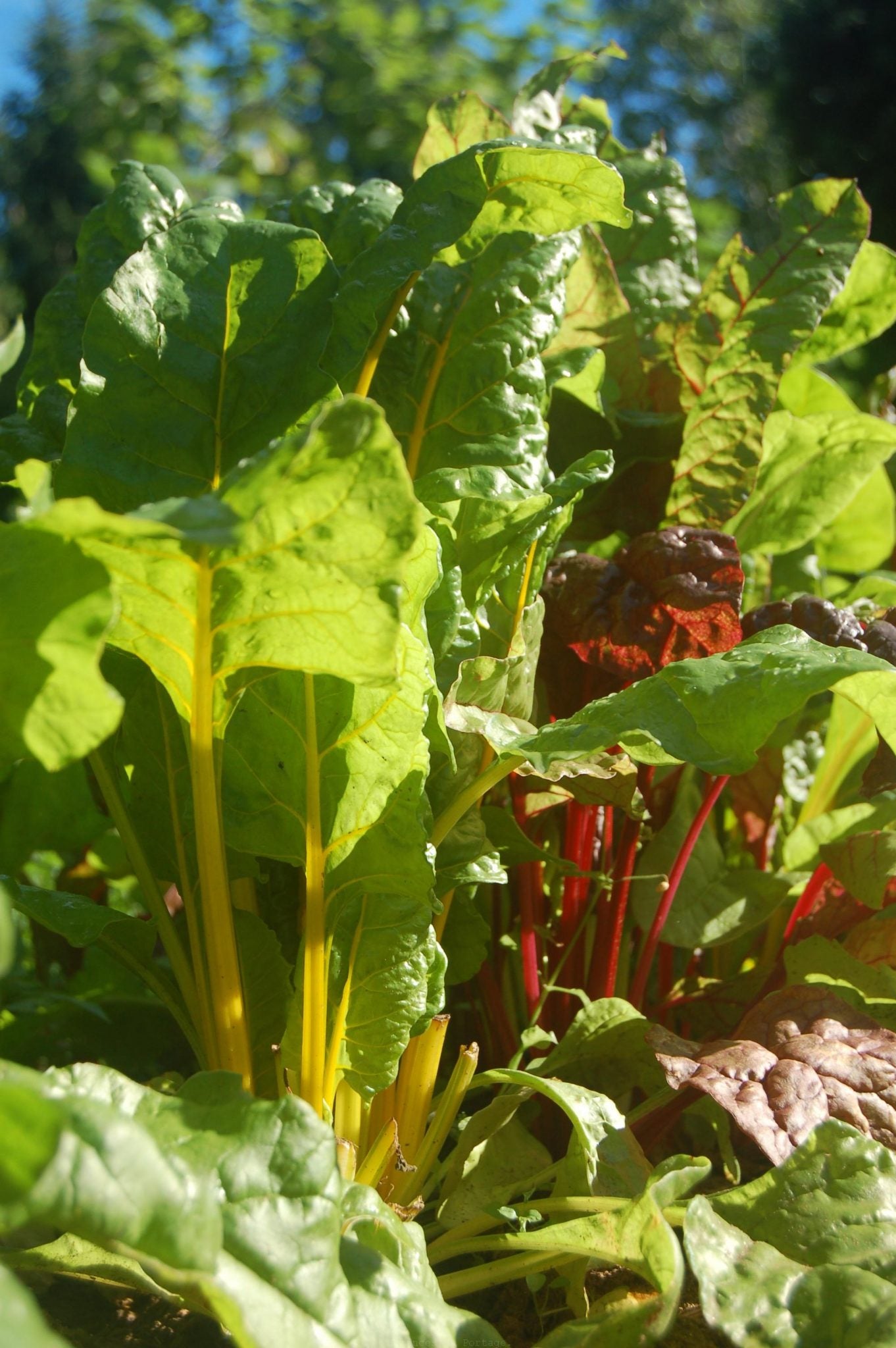
Orange chard is an excellent leafy vegetable related to spinach, but heat-resistant. Yellow chard and green foliage with orange veins. 30 days for young leaves and 60 days for mature leaves.
Growing tips for Orange Swiss chard
Gardening articles related to Orange Swiss chard
Our orange swiss chard seeds are certified organic.
We use natural, eco-friendly methods to grow our plants, without pesticides, herbicides, or chemical fertilizers. By choosing our organic orange swiss chard seeds, you support a responsible, nature-friendly approach.
Learn more:
Yves Gagnon
Growing conditions for Swiss chard
Swiss chard withstands light frosts well. Unlike spinach, it responds well to heat. It prefers clayey, well-drained soils rich in humus. It still grows well in light, well-amended soil; however, soil moisture must be constant. The species is demanding. The soil can be amended with 500 kg to 1 t of mature compost per 100 m2. Nitrogen fertilizers should be avoided.
Swiss Chard Crop Rotation
Swiss chard is grown in the second year of rotation after a crop requiring young compost. However, it can be grown at the head of the rotation with appropriate fertilization.
Companion planting of Swiss chard
Swiss chard is usually combined with other leafy vegetables.
— These valuable tips were written by Yves Gagnon, in the book The ecological cultivation of vegetable plants , Colloidal Editions.
