


Ping Tung Long Eggplant
We have run out of stock for this item.
Ces semences sont disponibles


About Ping Tung Long eggplant
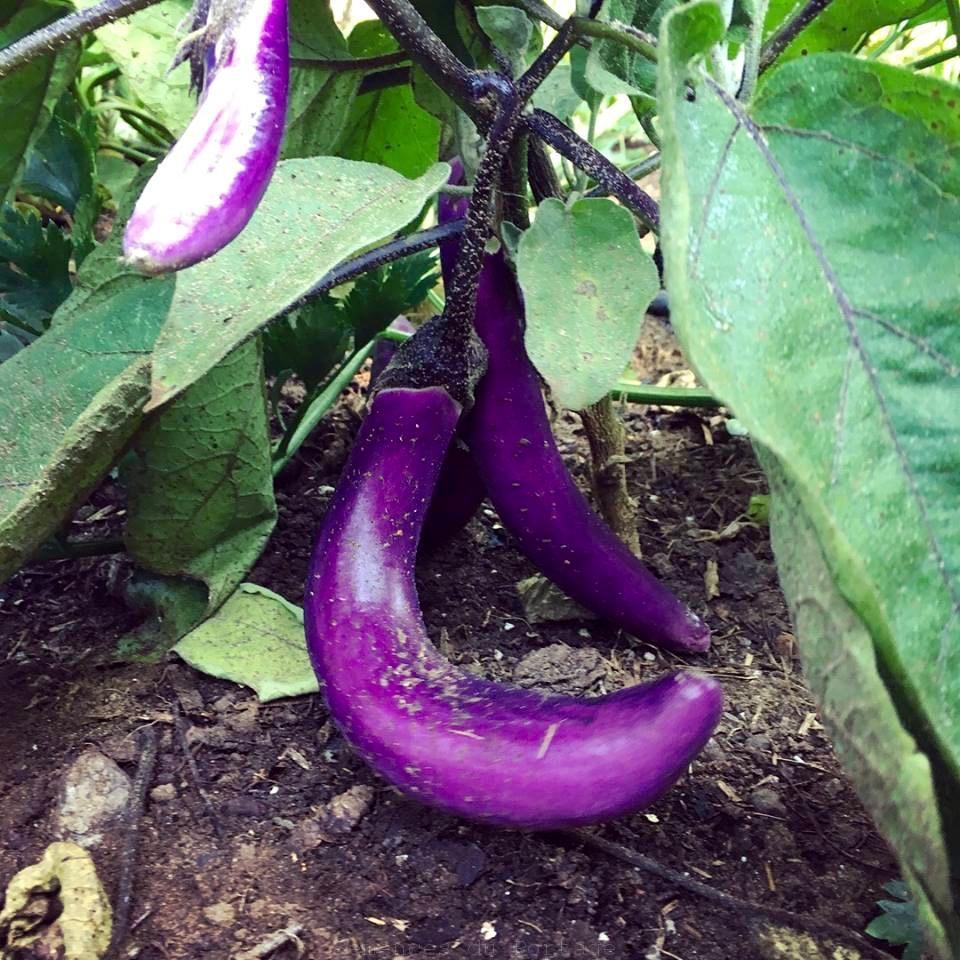
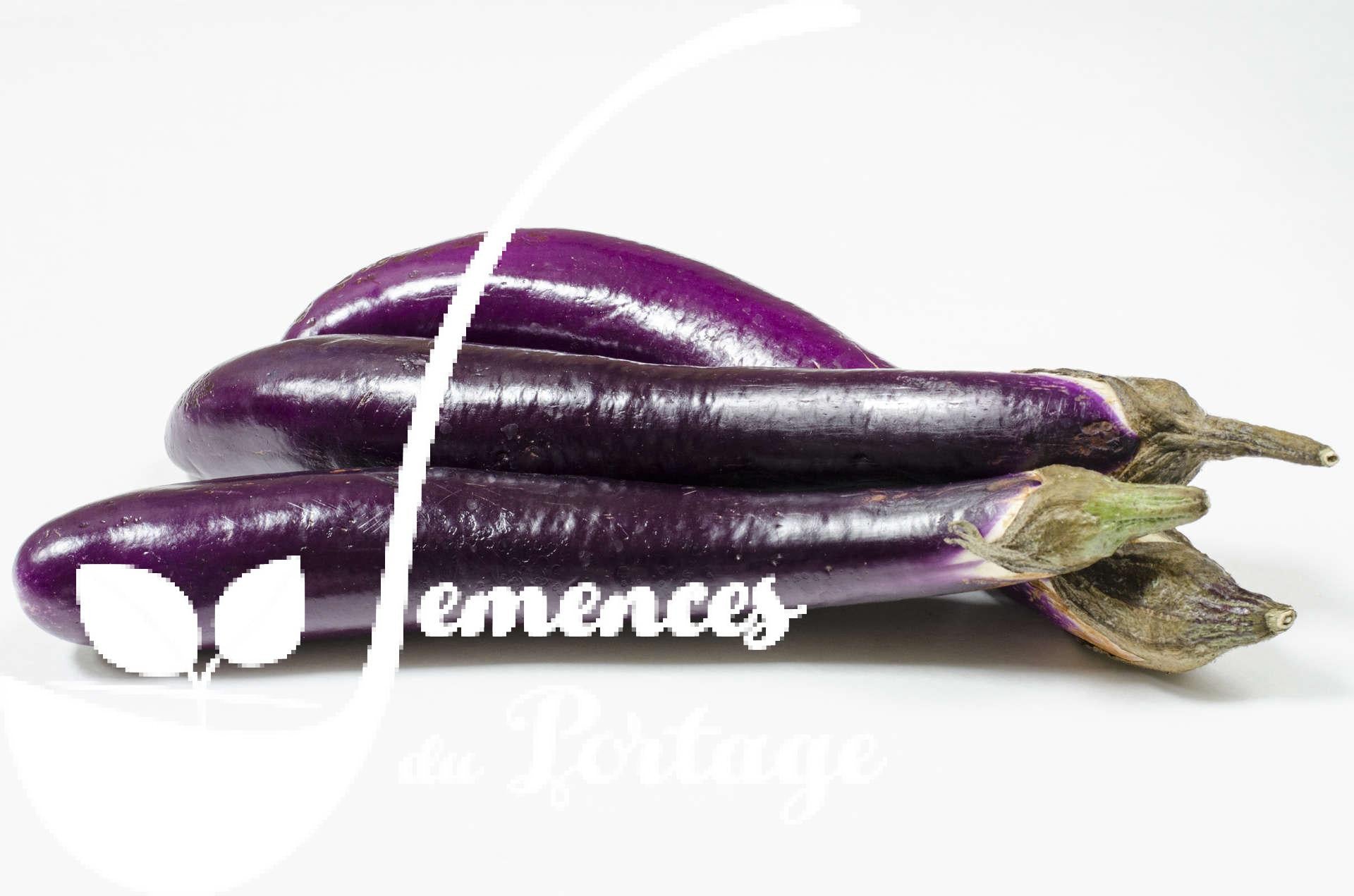
The Ping Tung Long eggplant, of Asian origin, produces a multitude of elongated fruits with tender flesh and thin, mauve-colored skin . Ideal for grilling. Early, hardy, and productive. Slow germination.
Germination in warm conditions recommended. Transplant after the last frost.
Growing tips for Ping Tung Long eggplant
Gardening articles related to Ping Tung Long eggplant
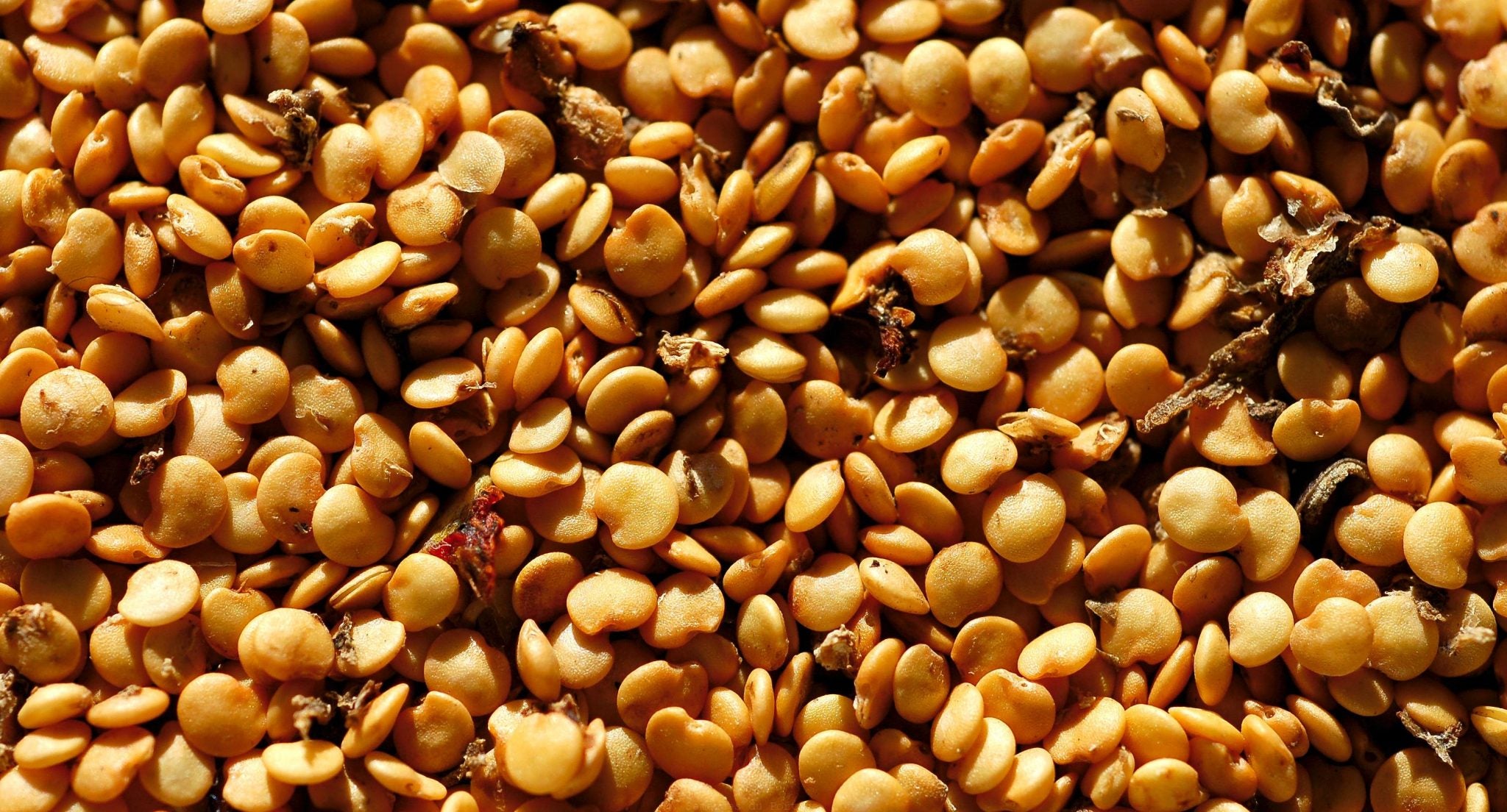
Our ping tung long eggplant seeds are certified organic.
We use natural, eco-friendly methods to grow our plants, without pesticides, herbicides, or chemical fertilizers. By choosing our organic ping tung long eggplant seeds, you support a responsible, nature-friendly approach.
Learn more:
Yves Gagnon
Eggplant Growing Conditions
Eggplant is a light and heat-loving plant. It does not like wind or drought. It is best grown in light soil, well-amended with young compost. It also produces well in loam, rich in humus. Heavy, compact soils are not suitable for it. It thrives in clay soils as long as they are well-drained and have good structure. The soil should be amended for its cultivation with 1 to 1.5 t of young compost per 100 m2. Adding mineral phosphate or shellfish meal will ensure good fruit set. Cool spring nights are detrimental to flower fertilization: a temperature below 10 oC can cause them to fall. It is therefore recommended to transplant eggplants under temporary shelter, either in layers, mini-tunnels or under a floating cover. They should only be transplanted without protection when the nights are temperate, normally 2 weeks after the last frost date. Eggplant requires a screen to protect it from the wind and constant moisture. Although eggplant tolerates a pH between 5.5 and 8, the optimal pH for growing it is between 6.5 and 7.5.
Eggplant Crop Rotation
Eggplant is grown at the head of the rotation with species that require young compost.
Companion planting of eggplant
Eggplant can be paired with artichokes, tomatoes, peppers, or zucchini. It also grows well alongside cucumbers, as long as you give them enough room to grow.
— These valuable tips were written by Yves Gagnon, in the book The ecological cultivation of vegetable plants , Colloidal Editions.
