The inevitable frost
A widespread frost is forecast for the night. A heartbreaking moment for the gardener in me. Non-hardy species will succumb, except for those we'll protect with tarps, namely winter squash, chilies, peppers, and eggplants, which will benefit from a few extra days to ripen their last fruits. The tomatoes and cucumbers have already been pulled up.
Most of the time, after the first frost at the end of summer, a period of mild weather follows, allowing several vegetable species, including eggplants, chilies, peppers, and squash, to mature. It is understandable how important adequate protection is during the first burst of cold weather.
It's worth remembering that many vegetables tolerate frost and develop their sugar and flavor once exposed to it. So, we'll wait until the end of October to harvest swedes, carrots, beets, parsnips, salsify, winter radishes, Jerusalem artichokes, headed cabbages, kale, and Brussels sprouts. Potatoes and celeriac have already been moved to the cold room. Lettuce and other greens tolerate temperatures down to -3°C, so for the moment, there's no need to protect them, which I'll definitely do when the colder weather sets in to extend the autumn greens season. Last year, I managed to keep lettuce, chicory, parsley, arugula, mustard, spinach, and pac choy alive until mid-November thanks to three canvases installed on hoops when severe frost was forecast.

Compost fabric or geotextile are suitable for light frosts.
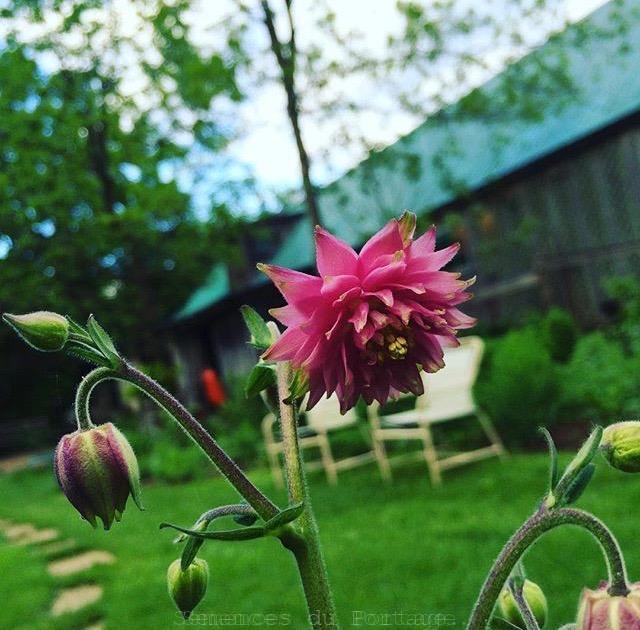
The day before the first frost, there's always a lot of activity. In addition to installing protective tarps over the species I want to protect, I bring in the pots of rosemary, bay, and verbena. I arrange a few bouquets of zinnia, a flower with vibrant colors that I'm in love with. I capture our garden for posterity by photographing some of the scenes we've created over the course of the season. The late-afternoon light is characteristic of these days before frost: bright and crystalline, it enhances the brilliance of the thousands of flashy flowers whose hues are more fiery than ever, knowing their imminent end.

The day before the first frost, a crystal clear light illuminates the garden.
It is the beginning of a period of contraction and introspection, a return to the interior of the house and the interior of oneself. Resigned and serene, we will doze off, exhausted but happy with the work accomplished, aware that by dawn, the frost will have done its work.
The first glimmers of light confirm that the frost was biting. The meadow to the east reveals a forest of crystals tangled on the surface of every twig, every leaf, every stem, every flower. I think a little sadly of all those plants in the garden, often sown indoors in March, which succumbed to the inevitable frost. Now we must let go and accept the loss. 
Despite the stress and sadness caused by the circumstances, the fact remains that this morning the garden offers me landscapes of dramatic beauty. The singular atmosphere of the morning of the first frost conditions me for the progressive cold I am now facing. I strive to prepare myself to the best of my ability.
I'll keep my last cucurbits and nightshades alive for a while longer, and then I'll focus my energy on protecting my fall foliage so I can access their vitamins, minerals, crispness, and exceptional flavor, because leaves that have fought off the cold are enriched with nutrients, texture, and flavor. Then, we'll move on to coleslaw, carrot salad, beet salad, and remoulade. Each salad has its own time! 
Yves Gagnon, author, seed producer and co-founder of the Jardins du Grand-Portage