Indoor sowing
To maximize crop quality, resilience, and yield, crops must be grown from organically grown plants. Since such plants are rare and expensive, it's advantageous to grow them yourself. In addition to ensuring better plant quality, this approach allows you to choose your cultivars.
The seed chamber environment
To successfully grow seedlings indoors, you must first create a suitable environment. Young plants need 14 to 16 hours of light per day to grow. A room with large east- or south-facing windows partially meets their needs. Since the light is lateral and the photoperiod in March and April is still too short, supplemental lighting is required. Cool White fluorescents are ideal in the presence of natural light. In the absence of natural light, full-spectrum fluorescents are more expensive. There are now many stores specializing in artificial lighting, where you can usually get good advice.
The temperature of the seed chamber must also be controlled. The average optimum temperature for seed germination is 25°C, while for growth it is 20-22°C during the day and 15°C at night.
A small greenhouse is the perfect place to start seedlings. However, it requires investment for its construction and heating. A room in the house can easily be transformed into a nursery without requiring any outlay; it also has the advantage of already being heated. It's a matter of organizing supplemental lighting there.
The containers
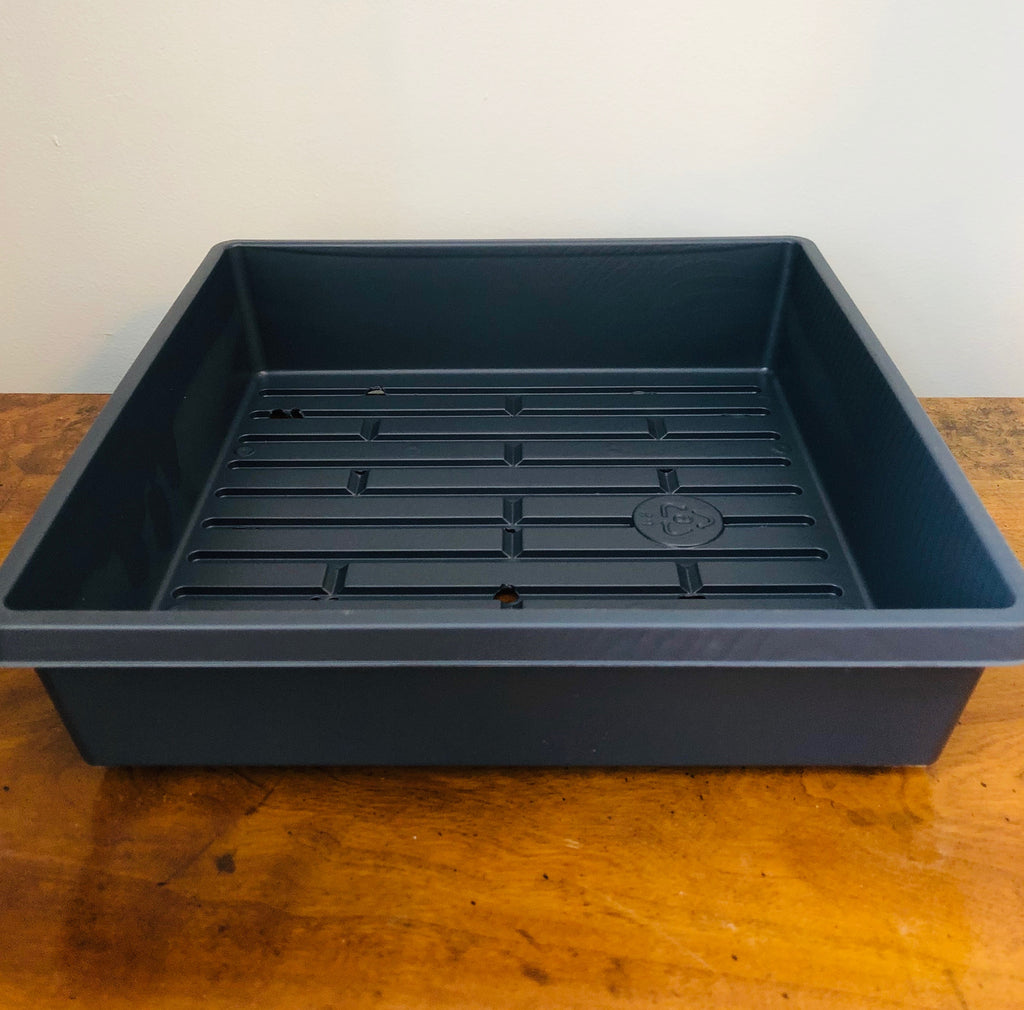
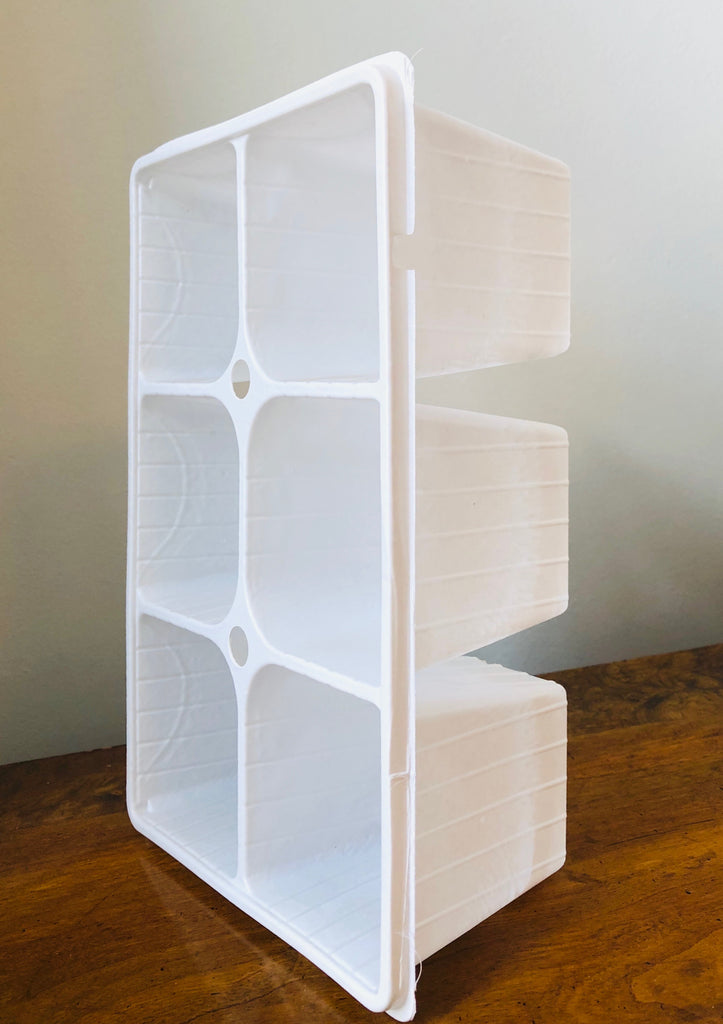
Seedlings are usually grown in trays that can be reused year after year. Standard trays measure 16 cm x 30 cm. They are available in polystyrene, fiberglass, or plastic, and are open or divided into cells. I prefer the non-divided polystyrene ones. These are easy to recover in the spring.
Some species, such as members of the Cucurbitaceae family, do not tolerate transplanting; it is recommended to use individual pots of 8 to 15 cm in diameter for their propagation.

The soils
The soil used to produce seedlings is of great importance. Working with plant compost (e.g., leaf compost), especially for germination soil, maximizes results while minimizing the risk of damping-off or excessive salinity, which can be harmful to certain seedlings, such as lettuce and onions. Garden centers sell various formulas of organic soil for those who don't have the time to make their own mix.
The germination soil
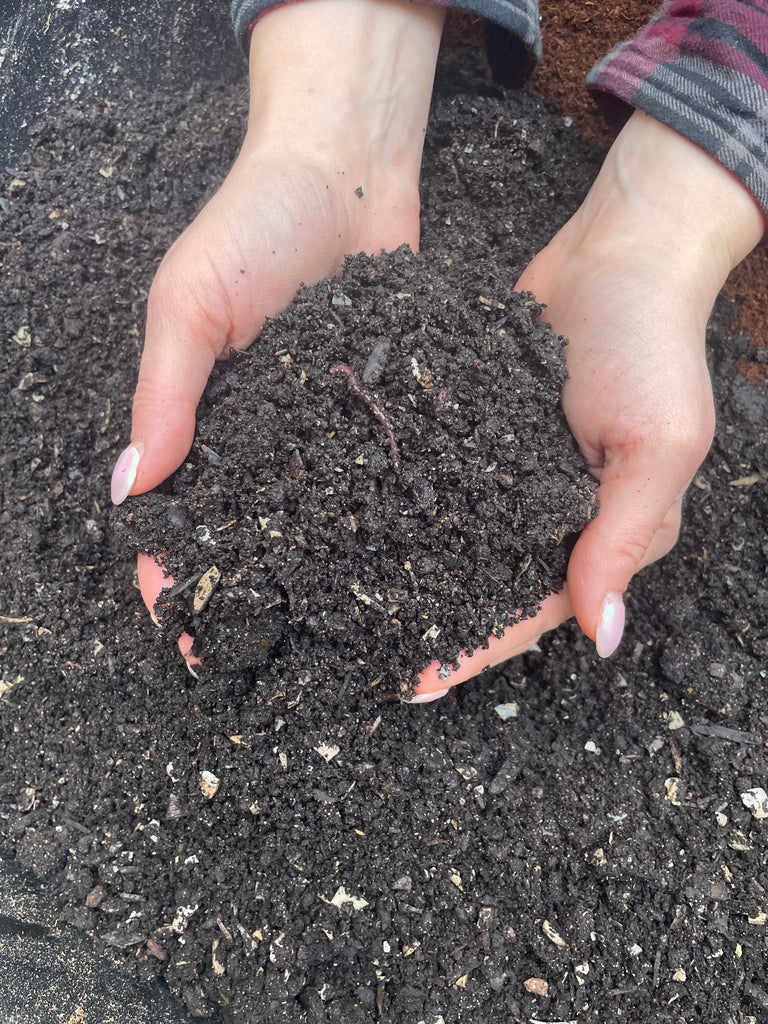
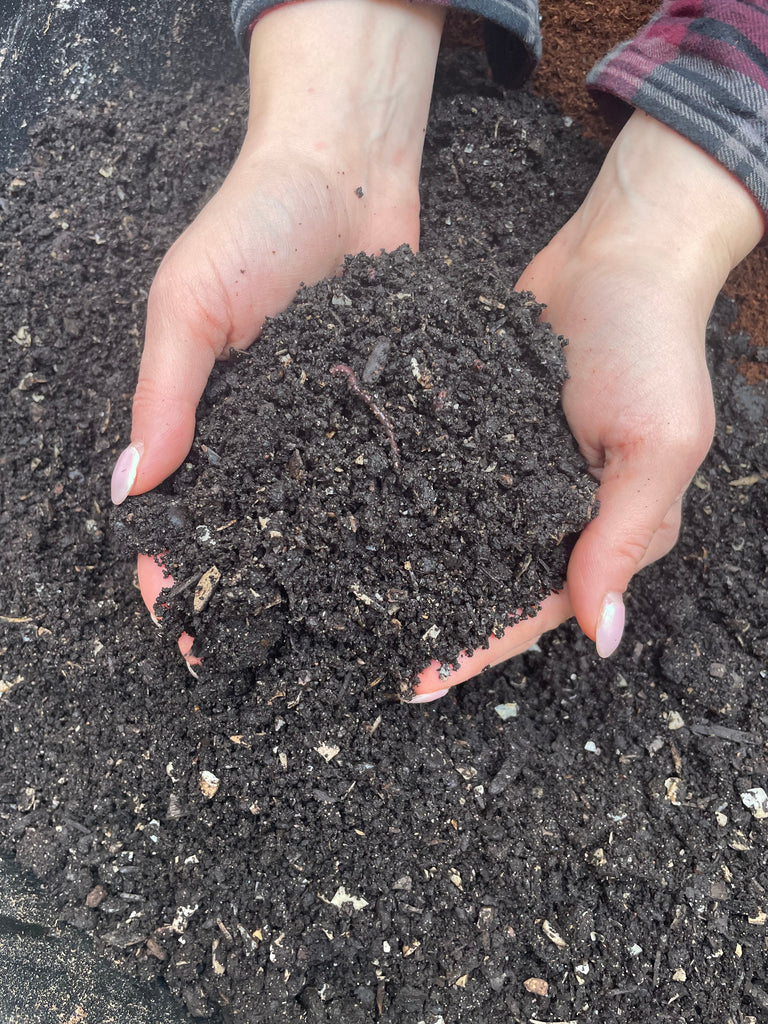
20% mature compost, 40% perlite, 40% coconut fiber
The growing medium
40% mature compost, 30% perlite, 30% coconut fiber
These two soils allow, in most cases, young plants to mature without further fertilization. They retain moisture well while quickly draining excess water. They should not be sterilized. Experiments with a soil mix made from 9 parts of very mature leaf compost and 1 part of sand give good results for germination and growth; this recipe avoids the use of vermiculite and perlite, mined materials, imported and produced by a very energy-intensive process. The ingredients are mixed by volume. Once the ingredients are mixed, the soil is slightly moistened, then placed in the trays without being compacted. We are then ready to proceed with sowing. The germination soil is used for sowing and the growth soil for transplanting.
Sowing
Most species are sown in trays, in germination compost, broadcast or in rows, depending on the species and the number of plants desired. For species sensitive to root disturbance, such as members of the Cucurbitaceae family, it is best to sow directly into individual pots.

Cover the seeds with three times their thickness of potting soil. Then water the soil with lukewarm water and place the containers in a warm place in the house. Remember to clearly identify the cultivars. Wooden coffee stir sticks marked with a lead pencil are suitable for this purpose. Afterwards, keep the soil moist, but not excessively. Watering is best done with a watering can with an inverted spout , which creates a fine spray, less likely to move the seeds and crush the young plants. Always use lukewarm water. A few days later, the cotyledons (the first two leaves) should appear. From the moment they emerge, the plants must be given 14 to 16 hours of good light per day, otherwise they will etiolate, which will weaken them.
The transplanting
Once the first two true leaves have fully opened, the young plants are transplanted (the first true leaves are those that appear after the cotyledons). Transplanting is a technique that involves transplanting the seedlings into growing medium, giving them the space they need to complete their development. Transplanting stimulates the growth of young plants by encouraging the formation of new roots along the buried stem. It also reduces the effects of etiolation. Sometimes, a second transplanting into pots is beneficial. Onions, leeks, cucumbers, squash, and melons are not transplanted.
Damping-off
During plant growth, irrigation is important to monitor. Excess moisture paves the way for damping-off, which is fatal for young plants. This infection is caused by a fungus that develops on the surface of the soil. It causes young plants to strangle, which then becomes thread-thin at the root collar. Poor soil (made with overly young or animal compost), cool temperatures, or excess moisture are the main causes of damping-off. Generally, plants are only irrigated on sunny mornings. Watering is rarely done on cloudy days. However, evaporation caused by lighting must be taken into account. Ideally, the soil should be dry on the surface before watering again.
To prevent or control damping-off, plants can be watered with a horsetail decoction or chamomile infusion.
Horsetail decoction
Simmer 100g of dried horsetail in 5 liters of water for 30 minutes. Let it steep for 12 hours. To control damping-off, water with the pure decoction. To prevent it, use the decoction diluted in the same volume of water. Horsetail should ideally be harvested at the summer solstice, when its silica concentration is highest. Dry horsetail in bunches, head down, in a dark, well-ventilated room.
Chamomile infusion
Infuse 7g of chamomile per liter of water. To prevent melting, water with the cooled infusion.

Fertilization
When the compost used to make the potting soil is of good quality, it generally contains all the nutrients that the plants need to reach maturity. If nitrogen (pale foliage) or phosphorus (purple foliage) deficiencies occur, a solution of fish hydrolysate and liquid algae at a rate of 10 ml each per liter of water is used in fertigation (combined with the irrigation water). It is important to ensure that the emulsion contains sufficient phosphorus.
Acclimatization
Before transplanting the seedlings, it is important to acclimatize them. Acclimatization consists of gradually exposing the young plants to the outside elements, namely wind, sun, and cold. For the first few days (choose cloudy days), the young plants should only be taken outside for a few hours; then, their exposure time should be increased until they are fully adapted to their new environment.
Yves Gagnon
Author and seed producer
To see videos on indoor sowing on our YouTube channel , click here !













Soil biology 5 times more active


It revitalizes tired soil