Artichoke, an asteraceae well-suited to the Quebec climate
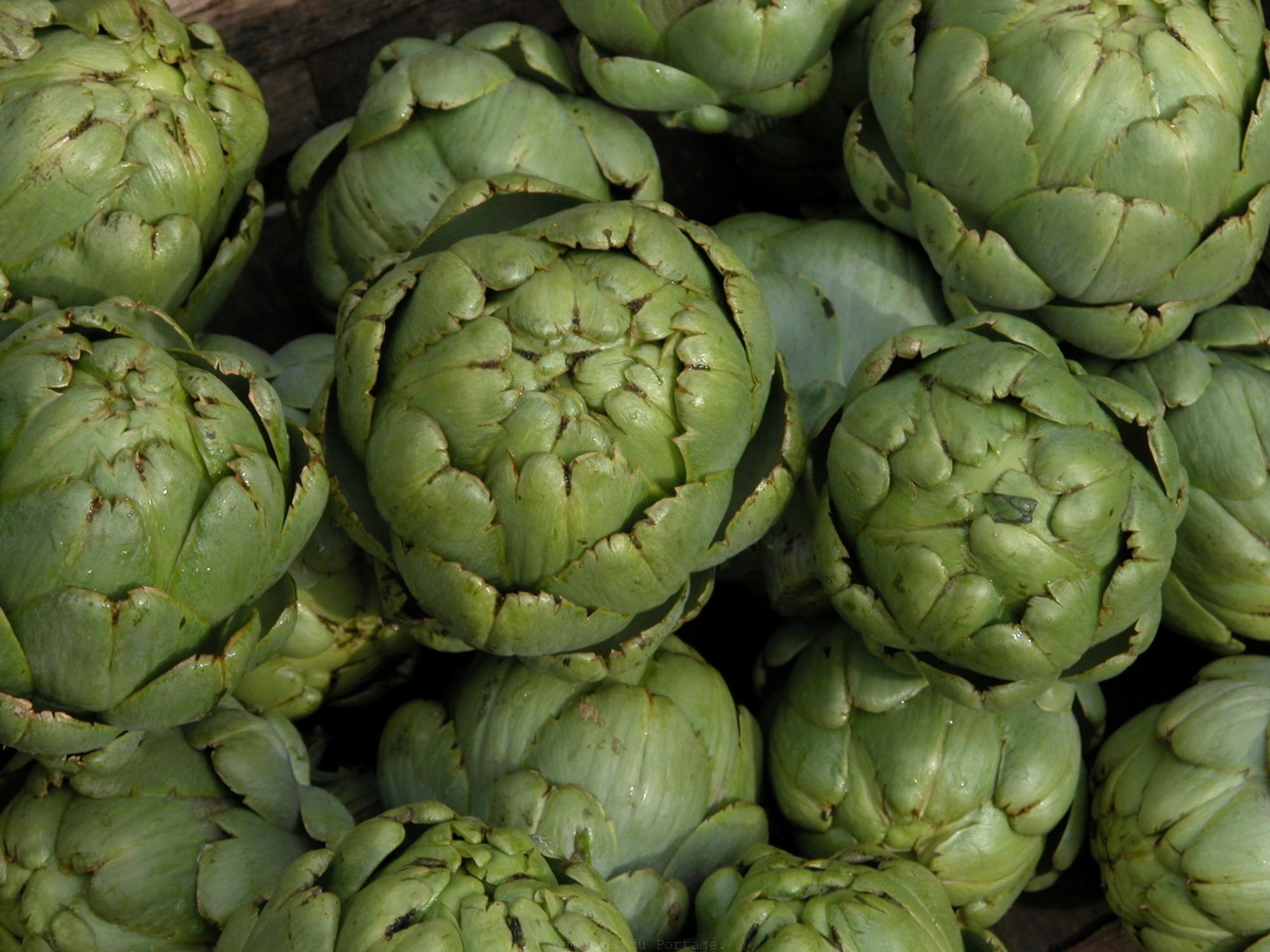
Artichokes are not very common in Quebec gardens, yet they deserve a prime spot due to their numerous nutritional and therapeutic properties, and they are among the most beautiful plants that can be grown in our latitudes. First, they unfurl long, grayish-green, deeply toothed leaves, then branched stems emerge, forming purplish flower heads which, once open, produce magnificent mauve inflorescences. The flower buds are harvested and eaten when the bracts are still tightly closed. Once steamed for 20 to 25 minutes, with the base in 2 cm of water, they are drained upside down, then seasoned with a mustard vinaigrette. As an appetizer, the bracts are eaten one by one, scraping them between the teeth, then the heart, well soaked in vinaigrette, is savored.
Per 100g, artichokes contain 3g of protein, 0.2g of fat, 12g of carbohydrates, and 51 calories. They are rich in vitamins A, B1, B2, B3, and C. They contain calcium, potassium, phosphorus, sodium, magnesium, iron, and sulfur.

Artichokes are beneficial for the liver. To best enjoy the medicinal properties of the plant, one can consume the cooking water from the flower heads or prepare an infusion with its bracts or large, toothed leaves. Artichokes are also an aperitif, depurative, tonic, and diuretic. They contain cynarin, which stimulates bile production.
Artichokes originated in the Mediterranean basin, most likely North Africa. It is reported that ancient Egyptians, Greeks, and Romans already consumed the flower head. It is also known that it was highly prized in Italy in the 15th century. Artichokes were introduced to France by Catherine de Medici when she left Italy to marry Henry II, King of France. From there, they spread to England, Belgium, and central Europe. Today, artichokes are still very popular in France and Italy. Their consumption is gradually gaining popularity in America.

Artichokes are commercially grown in temperate regions such as the Mediterranean basin, Brittany, and California. They are then established for several years. In northern regions, they must be cultivated annually because they do not survive harsh winters. They are sown indoors in early March, and the plants must be subjected to cold stress to stimulate flowering in the first year. I transplant the plants into individual pots in early April and, from early May, I move them outdoors and expose them to light frosts. The plants withstand this, which induces early flowering.

Plants are transplanted one meter apart into soil well amended with compost starting May 15 in zone 4, two weeks earlier in Montreal, and two weeks later in Gaspésie. Crop maintenance is relatively easy: weeds are controlled by hoeing or mulching, and aphids, if present, by spraying with insecticidal soap.
I harvest 4 to 8 flower heads per plant. However, I let a few open to enjoy the magnificent spectacle of their bloom.

Yves Gagnon, seedsman